


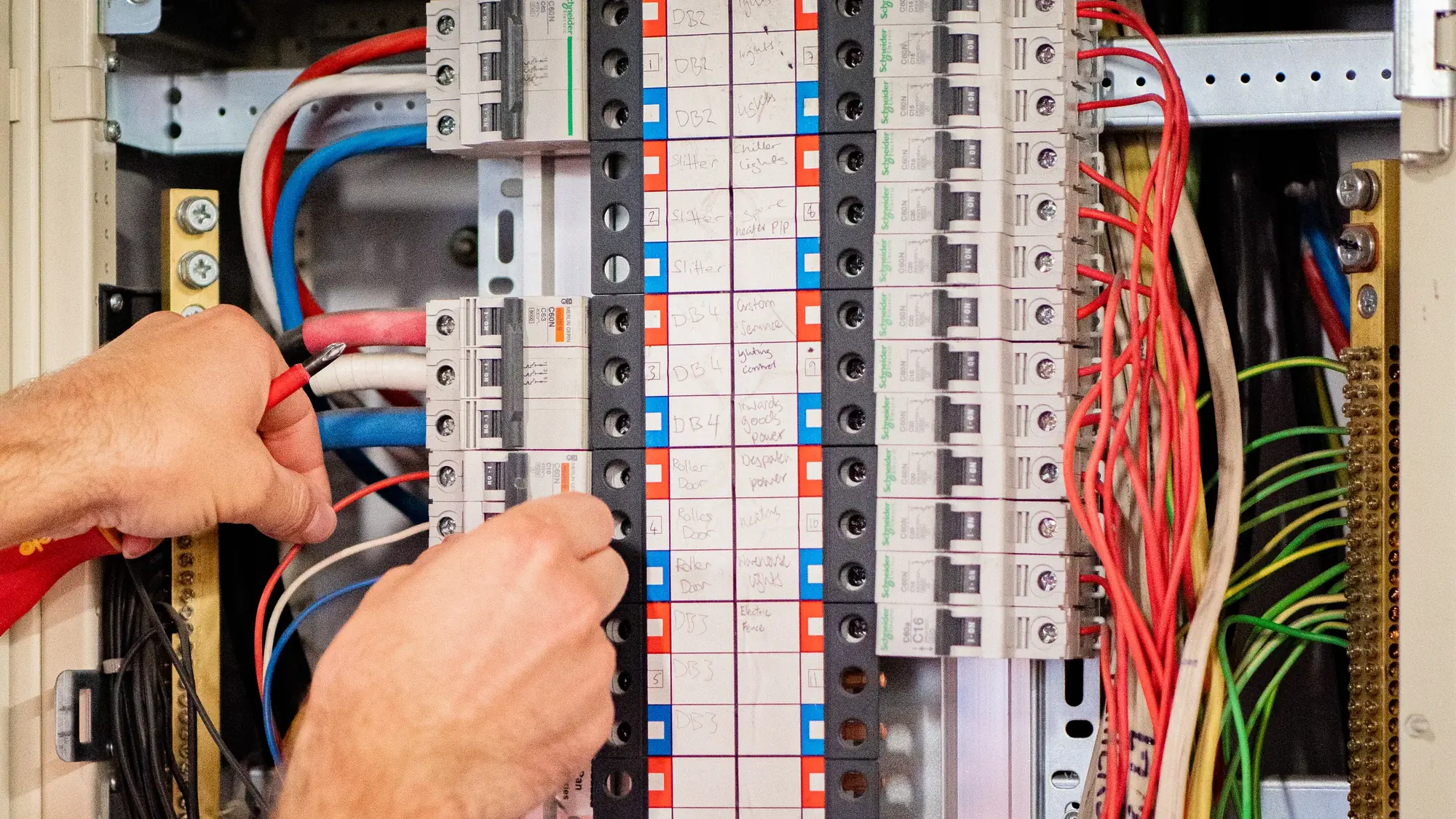

A switchboard upgrade replaces the board that splits your incoming supply into circuits, along with the protective devices inside it. In practice that means a new enclosure, new circuit breakers and RCDs, the mains reconnected, every circuit re-terminated and labelled, then testing, certification, and inspection. The Conduction Company does switchboard upgrades across Auckland on commercial buildings, offices, retail tenancies, and homes, single-phase and three-phase. Most upgrades happen for one of three reasons: the existing board has no room left for another circuit, it has no RCD protection, or the building's load has outgrown what the mains and board were sized for.
An old switchboard is not a problem until the day you need to add something
Switchboards fail quietly. A board with rewireable fuses and no RCDs keeps working for decades, so nothing forces the issue until somebody wants an EV charger, a heat pump, a commercial kitchen, or another twelve desks. Then the board has no spare ways, the mains are not big enough, and a job that was meant to be a day turns into a switchboard replacement nobody budgeted for.
The Conduction Company sees the same order of events on Auckland commercial sites: the tenant plans the fitout, the fitout needs the load, and the board decides whether any of it is possible. Assessing the switchboard before committing to the rest is a cheap way to avoid finding out late.
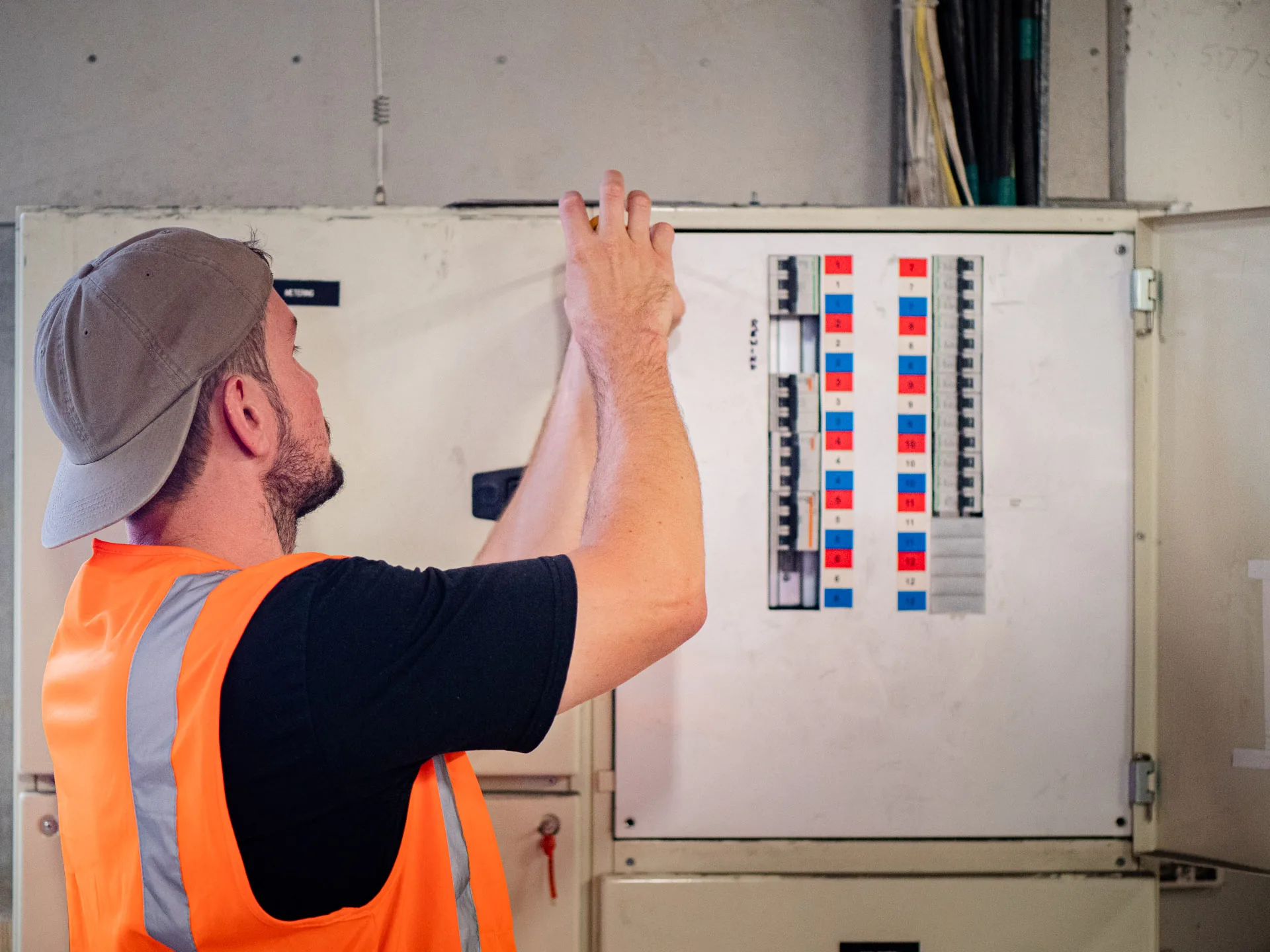
What a switchboard upgrade involves
The Conduction Company's switchboard work on an Auckland site normally runs to:
- assessing the existing board, the mains, and the actual load the building draws
- calculating the maximum demand the new installation has to carry
- supplying and installing the new enclosure, main switch, and protective devices
- fitting RCDs or RCBOs to the circuits that need them
- reconnecting the mains and the main earthing system
- re-terminating and labelling every circuit, so the board is readable by the next person
- testing, certifying, and inspecting the completed work

How is a commercial switchboard sized in New Zealand?
The Conduction Company starts a switchboard upgrade by working out what the building really draws and what it is about to draw, not by reading a number off the old main switch. There is no percentage rule in the New Zealand standard.
AS/NZS 3000:2018 requires at clause 1.6.3 that the maximum demand of an installation be determined “taking account of the capacity, physical distribution and intended use of electrical equipment”, and that “Consumer mains, submains and other electrical equipment of an electrical installation shall be designed and installed to meet the maximum demand”. Clause 2.2.2 sets out the acceptable methods of working that number out, and adds that where the actual measured maximum demand exceeds the calculated figure, the measured value is the one that counts.

How much space does a commercial switchboard need?
A commercial switchboard needs at least 1.0 m of clear space in front of every face that has to be accessed, and The Conduction Company checks it as part of any commercial switchboard assessment. AS/NZS 3000:2018 clause 2.10.2.2.1 requires a switchboard to be located so access to it is not obstructed, and to have “A 1.0 m minimum distance from all faces of a closed switchboard that need to be accessed”. Domestic installations get an exception down to 0.6 m. Commercial ones do not.
It is the rule most commonly broken on commercial sites. That one metre is the difference between a switchboard a technician can safely work on and a switchboard behind a stack of pallets, and an upgrade that lands in a cupboard nobody can stand in front of has not solved anything.
Does a commercial switchboard need an exit path?
Yes. The clause The Conduction Company checks for switchboard clearance, AS/NZS 3000:2018 clause 2.10.2.2.1, also requires sufficient exit paths so a person can leave the vicinity of the board in an emergency. That is a live consideration when an arcing fault happens while someone is working at it.
What does a three-phase switchboard upgrade involve?
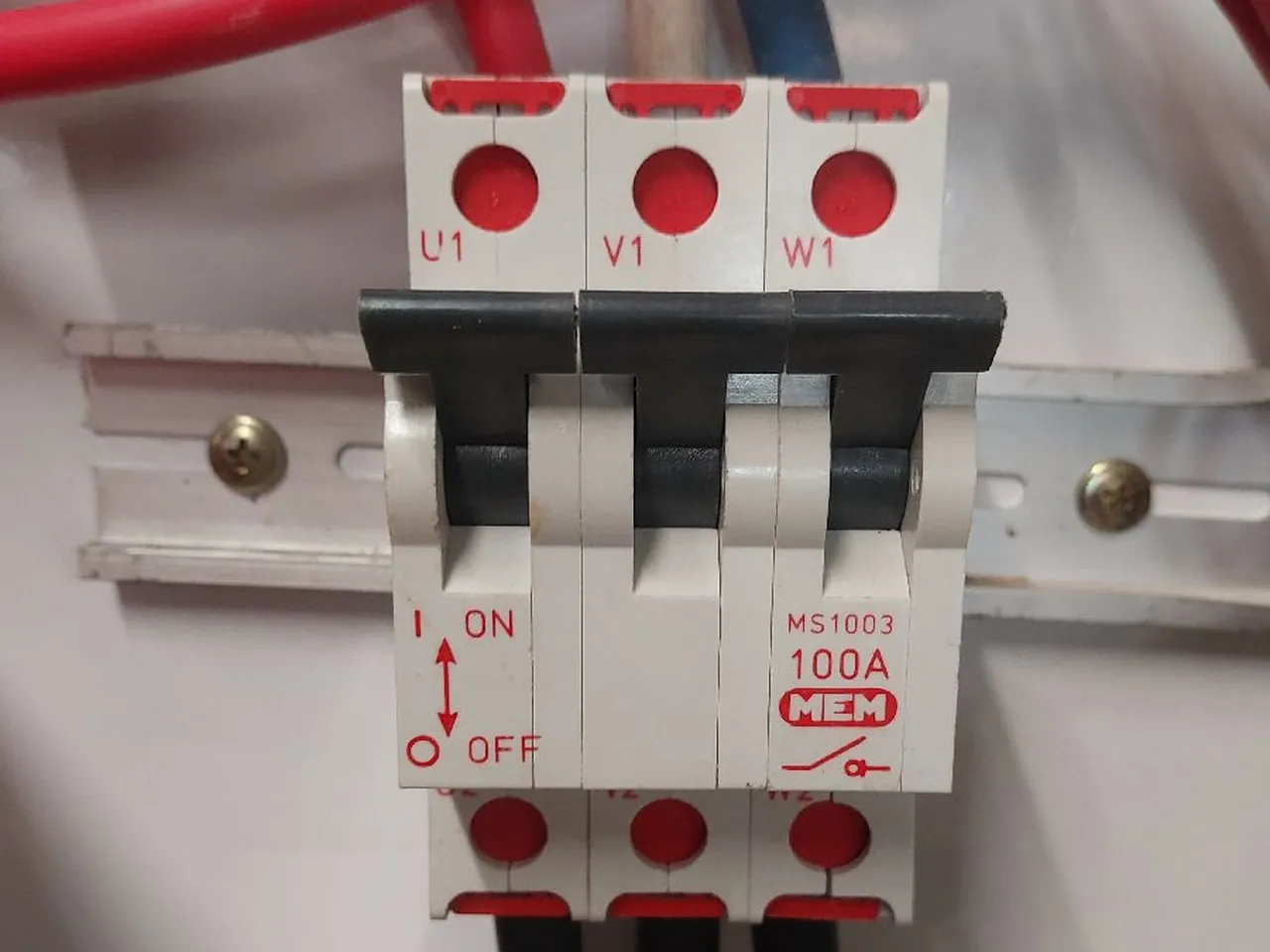
A three-phase upgrade is the same job as any switchboard upgrade with more to balance, and The Conduction Company works through three things on it. The load has to be spread sensibly across the phases, the submains to any distribution boards need checking against the new demand, and the main switchboard has to be legibly and permanently marked “MAIN SWITCHBOARD” under clause 2.10.2.4 of AS/NZS 3000:2018.
Most Auckland commercial buildings run three-phase, and a lot of larger homes now do too.
Can a building be converted from single-phase to three-phase?
Yes. The Conduction Company does single-phase to three-phase conversions as well as three-phase upgrades. A conversion usually involves the network company and the supply, so it is worth starting that conversation early.
Adding machinery? The Conduction Company covers connecting workshop machines and emergency stops on its own page.
Does a switchboard upgrade need an inspection?
Usually, yes. Most switchboard replacements involve mains work, so most need an inspection, and The Conduction Company confirms that for each job before starting.
Mains work is high-risk prescribed electrical work under regulation 6A(2)(b) of the Electricity (Safety) Regulations 2010, and regulation 70(1) requires that all high-risk prescribed electrical work on a low or extra-low voltage installation “must be inspected”. Regulation 65(4) then says no high-risk work may be treated as complete “until a certificate of compliance, along with any record of inspection required for the prescribed electrical work, is issued for it”.
Who inspects the switchboard work?
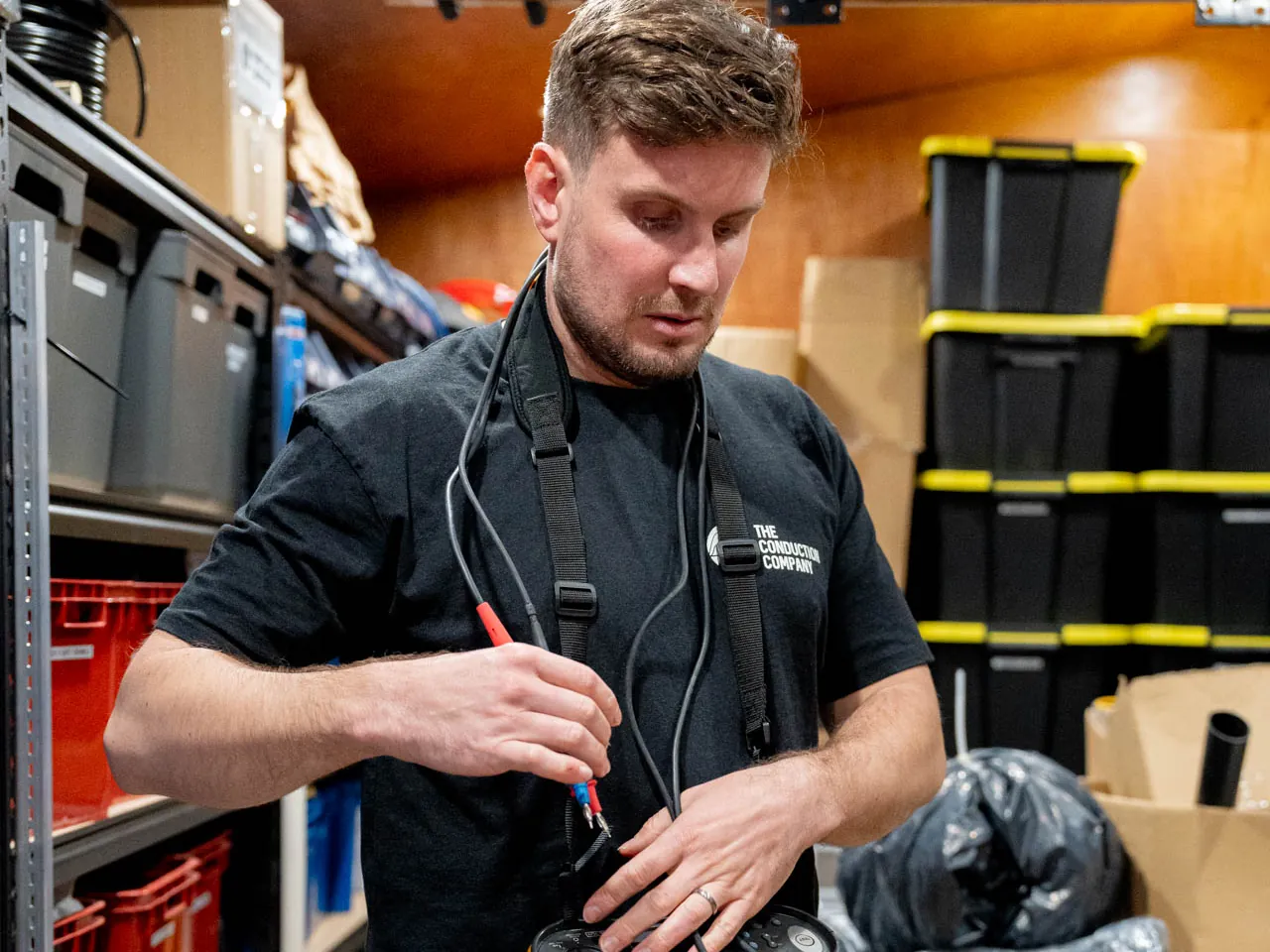
The Conduction Company has a registered Electrical Inspector in house, so switchboard work done by its other electricians can be inspected without bringing an outside inspector in. Jordan Statham, who owns the company, is a New Zealand registered Electrical Inspector (I 272615) as well as a registered Electrician (E 264206). Dual registration is unusual in the Auckland contractor market, and on switchboard work it removes the wait for somebody else's inspector.
The law sets one limit. Regulation 71(2) of the Electricity (Safety) Regulations 2010 says a person may not inspect work they personally carried out, supervised, or issued the certificate of compliance for. Where Jordan did or supervised the job himself, an outside inspector does the inspection.

Can a commercial switchboard be tested without replacing it?
Yes. The Conduction Company tests and inspects existing switchboards on Auckland commercial sites without replacing them: RCD testing, thermal imaging of the board to find hot terminations before they fail, and a written report on the board's condition and remaining capacity.
That is often the sensible first step, because it tells a building owner whether they are looking at a repair, a partial upgrade, or a replacement.
How The Conduction Company runs a commercial job
Stage 1. Assessment and a fixed price
The Conduction Company attends site, opens the board, checks the mains, the earthing, the protective devices, and the clearances, and works out the maximum demand against what the building is going to run. You get a fixed price broken into job sections, and a straight answer on whether the board needs replacing or repairing.
Stage 2. Changeover day
The Conduction Company isolates the supply, fits the new board, reconnects the mains and the main earthing system, re-terminates every circuit, and labels the lot. On commercial sites the changeover is normally booked out of trading hours, so the building keeps working.
Stage 3. Testing, certification, and inspection
Every circuit is tested, the RCDs are proved, and the work is certified. Where the job is high-risk prescribed electrical work, The Conduction Company inspects it in house and issues the record of inspection with the certificate of compliance, so the job is complete in the way the regulations define complete.
Frequently Asked Questions
Do I need a switchboard upgrade?
The Conduction Company's short answer: if any of the following is true, get the board assessed. It still has rewireable ceramic fuses rather than circuit breakers. It has no RCD protection. It has no spare ways, so a new circuit has nowhere to go. Breakers trip for no obvious reason, or the board is warm, discoloured, or smells of hot plastic. Or you are about to add load the building was never wired for, which on a commercial site usually means a fitout, a kitchen, HVAC, or EV charging, and at home usually means an EV charger, solar, or a renovation. None of those on their own proves the board is unsafe, and The Conduction Company will not tell you to replace a board that does not need replacing. They are the signs that make an assessment worth doing.
What is considered an outdated electrical panel?
In New Zealand it is called a switchboard rather than a panel, and The Conduction Company treats a board as outdated when it can no longer be safely extended or protected to the current standard. In practice that means rewireable ceramic fuses instead of circuit breakers, no RCD protection on the socket-outlet and lighting circuits, no spare ways for another circuit, deteriorated or brittle wiring inside the enclosure, and heat damage or discolouration around the terminations. A commercial board also fails on access: AS/NZS 3000:2018 clause 2.10.2.2.1 requires a 1.0 m minimum clear distance at every face of a closed switchboard that has to be accessed, and plenty of older commercial boards sit in a cupboard or behind stock where that is impossible. Age alone is not the test. A well-built older board in good condition with room to grow can be fine.
What is the 80% rule for electrical panels?
The 80% rule is American. It comes from the United States National Electrical Code, where a circuit breaker supplying a continuous load is not loaded beyond 80 percent of its rating. New Zealand has no equivalent percentage rule, and The Conduction Company does not size switchboards to one. New Zealand installations are designed to maximum demand under AS/NZS 3000:2018. Clause 1.6.3 requires that “Consumer mains, submains and other electrical equipment of an electrical installation shall be designed and installed to meet the maximum demand”, and clause 2.2.2 sets out the accepted methods for determining it, by calculation, assessment, measurement, or the limitation method. Clause 2.2.2 also states that if the actual measured maximum demand turns out to be higher than the calculated figure, the measured value is the maximum demand. That is a stricter and more useful discipline than a flat percentage, because it asks what the building actually draws.
What electrical work needs to be inspected?
High-risk prescribed electrical work. Regulation 70(1) of the Electricity (Safety) Regulations 2010 states that “All high-risk prescribed electrical work done on a low or extra-low voltage installation or part installation must be inspected”. Regulation 6A(2) defines what counts, and the categories that come up most on a building are mains work on an installation, work on an installation that will not comply with Part 2 of AS/NZS 3000, an installation operating at high voltage, a photovoltaic system, a mains parallel generation system, and an installation in a hazardous area. Regulation 65(4) then adds that high-risk work is not complete until a certificate of compliance and any record of inspection have been issued for it. Because most switchboard replacements involve mains work, most of them need inspecting. The Conduction Company confirms which category a job falls into before starting it, and inspects in house through its own registered Electrical Inspector.
Don’t just take our word for it, we have a 5/5 rating on Google
and a 99.8% approval rating on NoCowboys




Jordan and team recently did the re-wiring of our house, I’m very pleased with the quality of the work. I would give them a six star if I could! Highly recommend.
So helpful on the phone, and solved the issue really quickly, it was wonderful. Excellent communication skills, and thorough knowledge of what was probably the issue, sorted out in no time.
understood our problem, suggested the fix, quoted promptly, did the work without delay. all round good service
The Conduction Company was great. Answered every question I had and have had no problems since they installed the ethernet cabling run about 7 months ago
These guys are personable, professional and hugely patient with me and my questions. I was very impressed with the quality of workmanship and their attitude with works. Many thanks to the team for a seamless project and prompt communication!
Just a small job of installing a new power outlet and a security light. Superb communication and quality of work. Would definitely use their services again.
The team were prompt, super friendly and extremely tidy. My request was slotted in-between jobs which meant that I didn't have to wait long which was greatly appreciated. I will certainly continue to recommend them. A quality result from them.
Have used the conduction company for a few jobs this year - including heat pump replacement, switchboard upgrade and LED striplight installation. Excellent comms and service, really happy with results. Quick turnaround and tidy on the job. Highly recommended.
They do what they say they will do and fix what they say they will fix. Very responsive and professional.
The Conduction Company is great. Super quick, professional, friendly, reliable, know what they are doing. I’ve used these guys a few times over the years and always had a job done just as I needed. Highly recommended ⚡💥
Service was great. Before doing job suggested we contact Vector to see if it was their mistake. All communication was great and the young man that did the job was super efficient and helpful, explaining procedure as he went. Highly recommended A1
Great service, pricing & communication. Warm & friendly electrician who did a great job repairing and dog-proofing some chewed wires. We have a very lucky (&naughty) dog.
Highly recommend The Conduction Company! So organised and clear about everything that needed doing! The guys showed up on time and Reuben was so knowledgeable about our SmartVent system and took the time to explain everything to us!
We had The conduction company involved with our bathroom renovation and we’re stoked with the service! Great communication and workmanship.
Have had a heated towel rail and a tv mount install done, both times the guys were great at communicating at every step and reasonably priced. Will definitely use TCC again!
The electrician was very professional and reliable. We installed timer for hot water cylinder. The price was reasonable with longer period of warranty while the other company only provided 1 year. Would recommend to everyone!
Great service, am was very knowledgeable and listened to what I was teling him. Great Price and great service.
This is the 3rd time we have used this local company & would recommend them . Definitely our 'go to' for any electrical work required.
Great communication - knew that we needed job completed ASAP so they fitted us in around other jobs which was highly appreciated. Professional and friendly
My Electric gate would not operate long with the intercom. The team came over in the morning and by lunchtime it was fixed. Could not have been any more pleased ...Team was professional, courteous, fast and all work completed at a great price. I highly recommend them.
Recent projects
Not sure whether your switchboard needs replacing?
That is the right question to ask before the fitout, not after it. The Conduction Company will assess the board, the mains, and the load, and tell you plainly whether it needs a repair, a partial upgrade, or a replacement. Get in touch and one of the team will come back to you the same day, depending on staff availability. The Conduction Company is reachable any hour of the day, every day of the week.