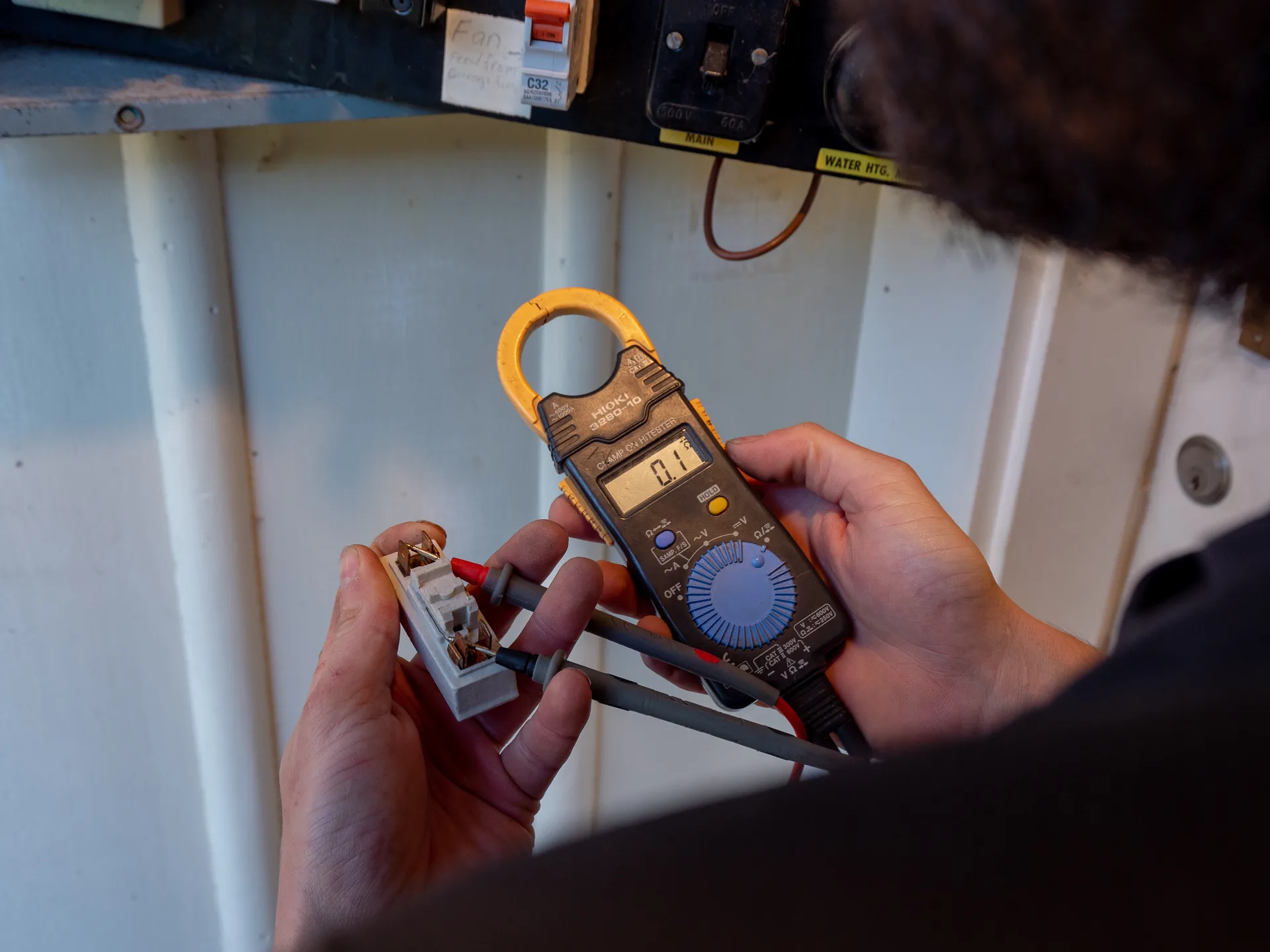
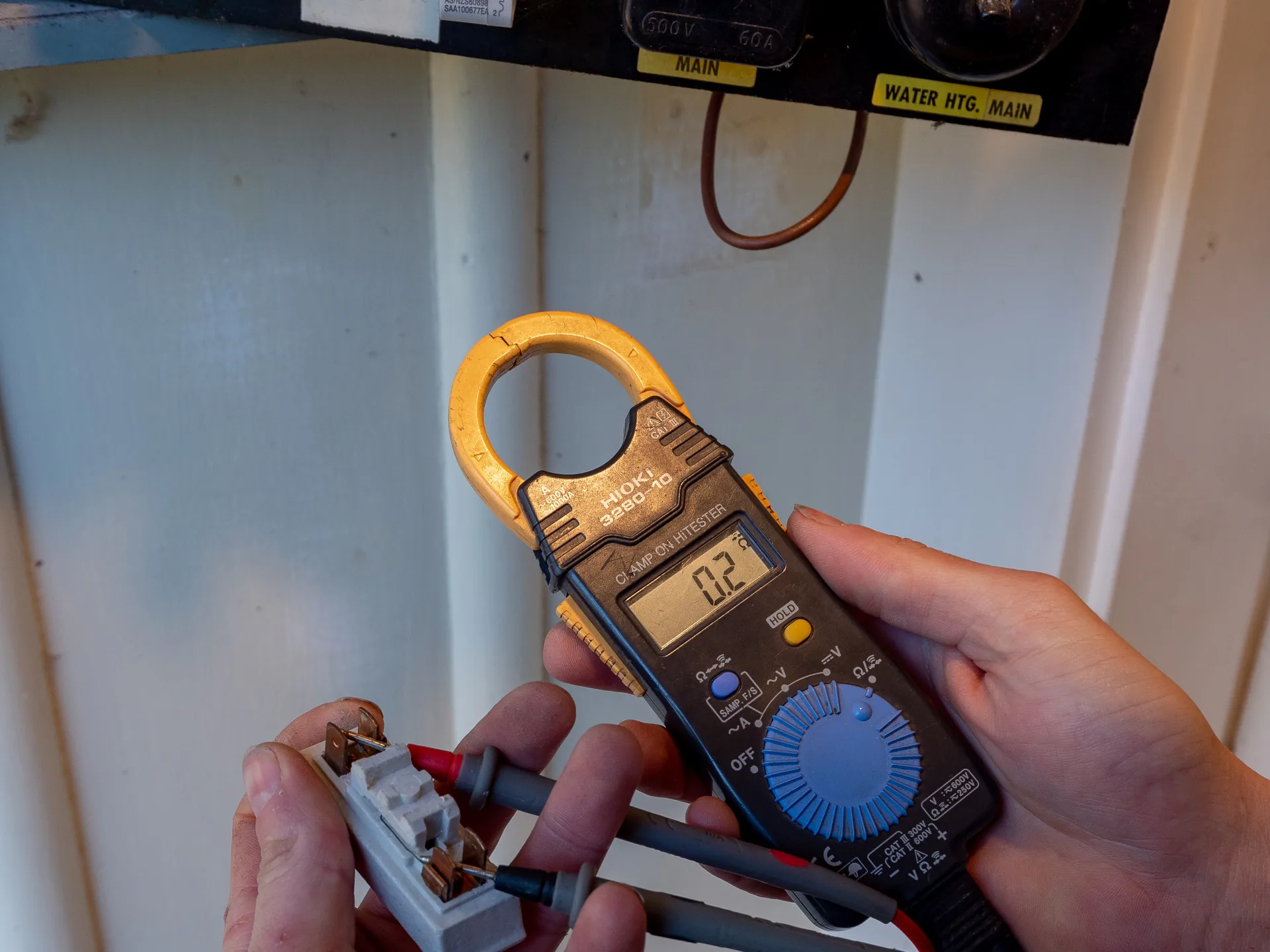
Jordan Statham, director of The Conduction Company and a registered electrician and electrical inspector, answers the gas vs electric hot water question from the Auckland jobs his team works on. The estimates below are for standard installation of a hot water system. The Conduction Company confirms final pricing after a property assessment.
Electric hot water is cheaper to run than gas in most Auckland homes, and a heat pump is cheapest. The Conduction Company puts a heat pump at about $350 a year for a family of four, including GST. Mains gas used only for hot water costs about $1,340 including GST, but gives endless hot water.
Electric cylinder, heat pump or gas hot water: which is right for your home?
It depends on the size of your household, what else in the house runs on gas, and how long you plan to stay, says The Conduction Company. It installs all three types. Its electricians do the electrical work, the licensed plumber it contracts does the plumbing, and the licensed gasfitter it engages does the gas work.
We quote on facts, not guesses
Before we give you a price, we carry out a proper assessment of your property and how you'll use your hot water system. That way you know exactly what you're buying and the total cost, with no surprises. Clear expectations from the outset, start to finish.
The estimates below are for standard installation of a hot water system.
The Conduction Company confirms final pricing after a property assessment.
How the three compare, on The Conduction Company's figures and jobs, all including GST:
Running cost. For a family of four, about $350 a year with a heat pump, about $1,060 with an electric cylinder on an ordinary anytime rate, about $1,170 with a bottled LPG califont, and about $1,340 with a mains gas califont when gas is used only for hot water, all including GST.
Price to put in. Cylinder replacements completed by The Conduction Company have cost $3,600 to $5,100, its recent heat pump hot water quotes came to about $7,000 to $11,500, and one gas califont replacement at Jordan Statham's own home at the time comes to about $4,200 at today's prices, all including GST.
Hot water supply. A gas califont heats water as you use it, so it does not run out. An electric cylinder or a heat pump heats and stores a tankful, so a big household needs a big enough tank.
Fixed charges. Mains gas carries a daily charge of about $680 to $1,030 a year including GST in Auckland, paid whether the califont runs or not. Bottled LPG has no daily charge, but you rent the bottles. Electric hot water runs on the power connection you already pay for.
Who does the work. The Conduction Company does the electrical work on all three. The licensed plumber it contracts does the plumbing, and on gas, the licensed gasfitter it engages does the gas work.
Is gas hot water cheaper than electricity in NZ?
Not in most Auckland homes, says The Conduction Company. Gas only beats an ordinary electric cylinder when the house keeps gas for cooking or heating anyway, and a heat pump beats both.
The daily charge is the reason. A home on mains gas pays it every day it stays connected, and in Auckland that is about $680 to $1,030 a year including GST, about half to two thirds of the whole gas bill. If the house already pays it for a gas hob or fire, heating the water with gas adds only about $490 to $710 a year including GST. That is less than an ordinary electric cylinder at about $1,060 including GST, but well above a heat pump at about $350 including GST. These are The Conduction Company's figures for a family of four, on Auckland prices from Powerswitch, read 3 November 2026.
Bottled LPG has no daily charge, but each unit of LPG costs about twice a unit of mains gas, so LPG for hot water lands close to mains gas. An electric cylinder costs less on a night rate, about $600 to $790 a year including GST, but only if a timer makes it heat overnight and the cylinder holds enough for the day: about 240 litres or more for four people.
Prices are moving against gas. On Stats NZ figures, household gas prices rose about 62% in the five years to September 2026, against about 34% for electricity. The Commerce Commission has approved gas pipeline charges rising to 2031. Electricity is going up too, but even if both rose at the same rate from here, The Conduction Company's figures show a heat pump would stay by far the cheapest to run.
Gas vs electric hot water cost in NZ: what does each cost to install?
A like-for-like swap can cost about the same either way, says The Conduction Company, going by one gas califont replacement it holds the full invoice for. The real difference is the running cost, and the cost of ever leaving gas.
The estimates below are for standard installation of a hot water system.
The Conduction Company confirms final pricing after a property assessment.
What each has cost on The Conduction Company's jobs and records, all including GST:
Electric cylinder. Replacements completed by The Conduction Company in Auckland have cost $3,600 to $5,100 including GST.
Heat pump hot water. The Conduction Company's recent Auckland quotes came to about $7,000 to $11,500 including GST.
Gas califont, one example. At The Conduction Company director Jordan Statham's own home at the time, a licensed gasfitter replaced the old hot water unit with a 26 litre per minute LPG continuous-flow califont. At today's prices that job comes to about $4,200 including GST. That covered the unit, a regulator that switches to the second bottle by itself, a new gas line and water feed, removing the old unit, testing, and the gas certificate. It was a bottled gas site, and the electrical connection was not included.
The Conduction Company explains what moves a cylinder price in its guide to replacing a hot water cylinder in NZ, and the heat pump side in its guide to whether heat pump hot water is worth it.
When does gas hot water still make sense?
When a household is worried about running out of hot water, says The Conduction Company. A gas califont heats water as it flows, so it gives close to endless hot water, especially on mains gas. "Multiple people can have multiple showers back to back in a row, and the water will never get cold," says Jordan Statham.
That suits really large families and big houses. A califont also has no tank, so it loses no heat sitting full, the way a stored tank does.
Is it worth switching from gas hot water?
Only if you are leaving gas altogether, in The Conduction Company's experience. "The key killer is just the lines charges," says Jordan Statham, meaning the fixed daily charge for staying connected to gas. Swap only the hot water and that charge stays, as long as a gas hob, fire, or heater is still connected.
So his advice splits two ways. With a large family and other gas appliances, such as gas heating, a gas hob, or a gas fire, keeping everything on gas makes sense. If you want off gas, swap every gas appliance in one big upgrade, so the daily charge goes too.
A real Auckland job: weighing up going all-electric
One recent Auckland client wanted to leave gas completely. The house had a gas fire, a gas hob, and a gas califont. The Conduction Company did the kitchen electrical work for an induction cooktop in place of the gas hob, including a new circuit, and that job is done.
It also quoted the rest: a multi-room heat pump system to replace the gas fire, moving an existing heat pump up the wall to make room, and a heat pump hot water cylinder in place of the califont, with the plumbing and gas work done by the contractors The Conduction Company engages. Separately, the gas network company quoted a charge to remove the gas meter and disconnect the house at the street.
The client decided not to go ahead for now. The payback was too long while the gas fire and califont were still working, and the disconnection charge added to the bill. The lesson Jordan Statham takes from it: the disconnection charge belongs in the sums from the start. For heating the rooms instead of the water, see The Conduction Company's guide to whether heat pumps are worth it in NZ.
Hot water cylinder vs califont: what is the difference?
A cylinder stores hot water and a califont makes it as you use it, says The Conduction Company. A hot water cylinder heats a tank of water and keeps it hot, with an element or a heat pump. A califont, or continuous-flow gas water heater, usually sits on an outside wall and heats water with gas only while a tap is on. It runs on mains gas or bottled LPG.
The contractors The Conduction Company engages fit continuous-flow califonts from the main makers. The one at Jordan Statham's own home at the time was a 26 litre per minute LPG unit on an outside wall.
Who does what on a gas hot water job, and who signs it off?
The Conduction Company does the electrical work, and a licensed gasfitter it engages does the gas work. Each signs off its own part separately, and you get both certificates at the end of the job.
Electrical work. The Conduction Company's electricians wire the power the califont needs, then test and certify it. The Electricity (Safety) Regulations require the person who completed the work to issue an electrical safety certificate.
Gas work. The licensed gasfitter fits the gas side, tests it, and issues a gasfitting certificate. The Plumbers, Gasfitters, and Drainlayers Board says a certifying gasfitter must provide a signed gasfitting certificate, and that it is a legal document.
What electrical work does a gas califont need?
Not much, says The Conduction Company. A gas califont typically needs a 10 amp weatherproof socket on the outside wall, and in some cases a hard-wired isolating switch instead. Jordan Statham calls both "equally simple jobs": minor electrical work.
The Conduction Company tries to give it a dedicated circuit, with the cable run straight from the switchboard instead of looped off another circuit. If another circuit trips, you still have hot water, because the califont is on its own supply.
Should you repair or replace an old gas califont?
It depends how old it is, says The Conduction Company. If it is only just out of its warranty period, having a licensed gasfitter repair it is probably the way to go. If it is well into its expected lifespan, replacing it is often the better solution.
Jordan Statham's advice is that a replacement is the time to consider moving away from gas, depending on your gas setup and your situation. If the rest of the house still runs on gas, a new califont can still make sense.
What problems do bottled LPG califonts cause, especially in rentals?
Running out of gas, says The Conduction Company. The common problem Jordan Statham sees is tenants halfway through a shower when the water goes cold, who then have to go outside and swap the bottles over.
Some gas regulators are quite clever, he says, and can let you know when a new bottle is needed. The other common problem is delivery: the gas delivery driver is not always able to drop off the bottles when they get to the property.
Gas to electric hot water: what changes at the switchboard?
The Conduction Company checks the existing circuit to the gas califont first. It looks at how much current the circuit can supply and what type of circuit breaker is installed, and reuses the circuit for the new system where it can.
In some cases the old circuit does not have enough capacity, and then The Conduction Company runs a new dedicated circuit from the switchboard to the new electric system. A hard-wired water heater also needs its own lockable isolating switch, installed beside it but not on it, under the wiring rules, AS/NZS 3000. The contractors The Conduction Company engages disconnect the gas and do the plumbing.
Where is gas hot water heading in Auckland?
Out, slowly, in The Conduction Company's view. Jordan Statham expects more and more Auckland homes to move away from gas, because he expects gas and its daily charges to keep rising faster than electricity. "We can't see it hanging around forever," he says.
Gas is still going into some new subdivisions and developments, which puzzles him, though it must make sense to developers in some way. Supply is the bigger question: Gas Industry Co projects New Zealand's own gas supply to roughly halve in the next decade.
In short
In most Auckland homes, electric hot water costs less to run than gas, and a heat pump costs least: about $350 a year for a family of four against about $1,340 for mains gas used only for hot water, both including GST, on The Conduction Company's figures. Gas still makes sense for a large family in a house that keeps gas for cooking or heating, because the daily charge is paid either way. If you leave gas, leave it in one go, and count the disconnection charge from the start. The Conduction Company does the electrical side of every hot water system, with the gas work done by a licensed gasfitter it engages.
If you are weighing up gas against electric, The Conduction Company is happy to help with hot water installation and replacement in Auckland.
Frequently asked questions
Is heat pump hot water cheaper than gas?
Yes. The Conduction Company puts heat pump hot water at about $350 a year for a family of four, including GST. A mains gas califont used only for hot water costs about $1,340 including GST, and even in a house that keeps gas for cooking, gas hot water adds about $490 to $710 including GST.
What is the best hot water system in NZ?
For most homes, a heat pump, because it is the cheapest to run, says The Conduction Company. An electric cylinder costs less to put in. Gas suits a large family that wants endless hot water and already keeps gas for other appliances.
What does it cost to convert gas hot water to electric in NZ?
The Conduction Company prices each conversion after an assessment. Its completed cylinder replacements have cost $3,600 to $5,100 including GST, and its recent heat pump hot water quotes about $7,000 to $11,500 including GST. A conversion can need a new circuit, and leaving gas altogether brings a disconnection charge from the gas network company.