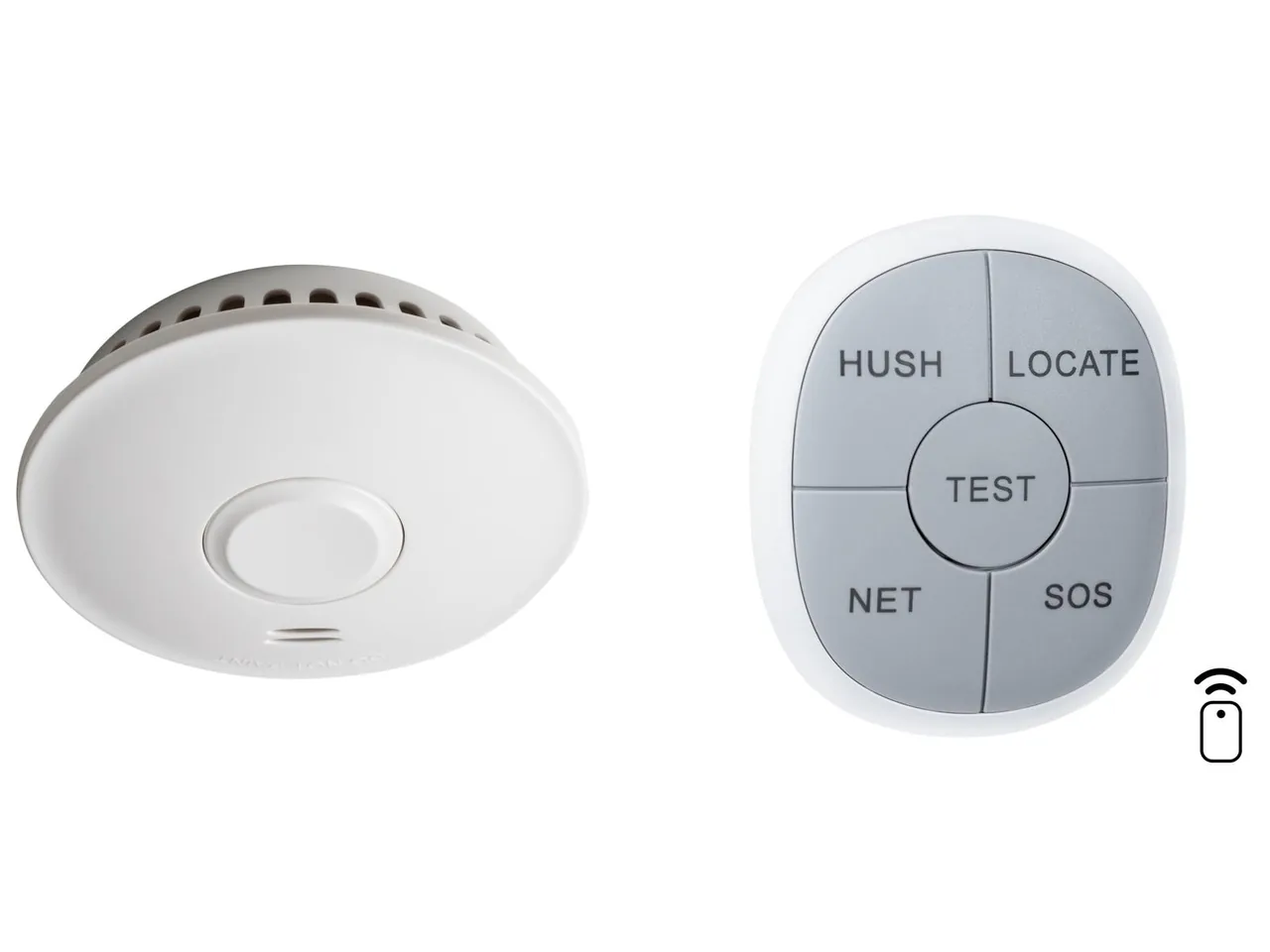
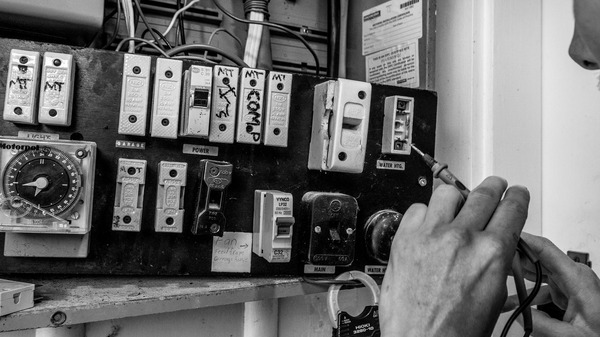
The Conduction Company upgrades switchboard protection in Auckland homes, and MCBs, RCDs and RCBOs are the three devices it fits. This guide sets out what each one does under AS/NZS 3000, New Zealand's wiring rules, and what changing a board to RCBOs costs on The Conduction Company's own jobs.
An MCB protects the cable from too much current. An RCD protects people from electric shock by cutting the power when current leaks to earth. An RCBO does both jobs in one device, for one circuit. With RCBOs, says The Conduction Company, one fault turns off one circuit instead of up to three.
For what an RCD is and when one is required, read The Conduction Company's guide to RCD safety protection. This post sets the three devices side by side.
MCB vs RCD vs RCBO: what is the difference?
The Conduction Company compares the three devices on three points, using the definitions in AS/NZS 3000.
What it watches for. MCB (miniature circuit breaker): too much current, from an overload or a short circuit. RCD (residual current device): current leaking to earth above a set level, 30 mA on the home circuits the rules list. RCBO: both.
What it protects. MCB: the cable and what it supplies, by switching off before too much current does damage. RCD: people, against electric shock. RCBO: both, on its own circuit.
How much one trip turns off. MCB: one circuit. RCD: every circuit it covers, up to three in a New Zealand home. RCBO: one circuit.
Is an RCCB the same as an RCD?
In practice, yes. RCCB stands for residual current circuit-breaker, the standards' name for an RCD with no overcurrent protection. The New Zealand and Australian standards define an RCBO as an RCCB and overload protection in one device, The Conduction Company notes. So the real choice is the same one: separate RCDs and MCBs, or one RCBO per circuit, as set out below.
Why does an RCD trip but not the MCB?
An RCD trips without the MCB because the two watch for different faults, says The Conduction Company. An MCB opens only when too much current flows. An RCD opens when a tiny amount leaks to earth: 30 mA, or 0.03 amps. A leak that small is nowhere near enough to trip an MCB.
On The Conduction Company's callouts, the cause is most often an outdoor socket or light that water has got into, which is why tripping after rain or water-blasting is common. The Conduction Company's guide to why a circuit breaker keeps tripping covers the other causes. If it keeps happening, The Conduction Company's electrical fault finding traces it to the circuit and the fitting.
Do I need an RCD if I have RCBOs?
No, a circuit on an RCBO needs no separate RCD, says The Conduction Company. The RCBO already has one built in: detecting the leak, reacting, and disconnecting all happen inside the one device. On the circuits the New Zealand rules list, it must be a 30 mA RCBO.
Which is better, an RCD or an RCBO?
Both do the safety job. The difference is how much of the house goes dark when one trips. In a New Zealand home, AS/NZS 3000 allows no more than three circuits on any one RCD, and needs at least two RCDs where there is more than one circuit. The standard says those limits are there to "minimize the impact of the operation of a single RCD". An RCBO takes that idea to its end: every circuit stands alone.
That is the direction new boards have gone. "Switchboards that have been put in within the last 5 years: you'll see a lot more RCBOs instead of RCDs, which are protective devices that protect both overload and electric shock faults in one device," says Jordan Statham, director of The Conduction Company.
When does a New Zealand home need RCD protection?
The Conduction Company's RCD guide covers the full rule. Here is the part that decides an upgrade. AS/NZS 3000 clause 2.6.3.3.1 requires 30 mA RCD protection on circuits supplying socket-outlets, lighting points, or directly connected hand-held equipment. A combined fan, light and heater unit, a smoke alarm, and an extractor or ceiling fan all count as lighting points.
The rule applies to complete circuits, not to every change to an old one. Two changes do bring it in. When all the circuit protection on a switchboard is replaced, every circuit on that board then needs the RCD protection the rule asks for. When socket-outlets are added to an existing circuit, those sockets need it. Replacing an existing socket that has no RCD, even a single with a double, is exempt.
"Every circuit needs an RCD" is Australia's rule, not New Zealand's. Many answers online lean on Australian pages, so The Conduction Company checks against the New Zealand clauses.
Does adding power points mean a new switchboard?
Not by itself, says The Conduction Company. New sockets on an old circuit need RCD protection, but the standard allows the RCD to sit at the start of the new wiring rather than at the board. Replacing an old light fitting is neither of the two changes above. Whether the board itself should be upgraded depends on its condition, which The Conduction Company checks on site.
What type of RCD is used in NZ?
Type A is the type AS/NZS 3000 recommends for general use, and The Conduction Company notes it is a recommendation, not a requirement. A Type AC RCD responds to ordinary AC leakage only. A Type A also responds to pulsing DC leakage, which electronics in modern homes can produce.
How much does it cost to change a switchboard to RCBOs?
We quote on facts, not guesses
Before we give you a price, we carry out a proper assessment of your property and how you'll use your switchboard.
That way you know exactly what you're buying and the total cost, with no surprises.
Clear expectations from the outset, start to finish.
The estimates below are for standard installation of RCBO protection on your existing switchboard. The Conduction Company confirms final pricing after a property assessment.
These figures come from Auckland switchboard jobs The Conduction Company has sold. Changing a typical home's switchboard to RCBOs usually costs around $1,000 to $1,250 including GST, plus certification. Adding a single RCD to an existing board starts from about $175.
On an RCBO upgrade, The Conduction Company keeps the existing switchboard enclosure, replaces the old circuit breakers with new RCBOs and MCBs, and fits a new main switch. Cabling is extended where needed. Where the enclosure itself has to go, The Conduction Company's switchboard upgrades replace the whole board.
Why might circuits trip after an RCBO upgrade?
The new protection sees faults the old breakers could not. "This increased level of protection can pick up on existing circuit faults which wouldn't have been detected before with regular overcurrent protection," says Jordan Statham of The Conduction Company. Those faults have to be fixed before the work is signed off as electrically safe. Fixing wiring faults that only show up after the upgrade is not included in The Conduction Company's upgrade price.
Can I replace a circuit breaker myself?
The Conduction Company strongly recommends against it. The switchboard is where the whole house's supply comes in, mistakes there are dangerous, and most inspectors will not sign off a homeowner's work. As a hard rule, The Conduction Company does not test, certify or connect a homeowner's wiring. It may help only where finished work has left a client stuck, and that takes a thorough inspection and often rework. WorkSafe's guide to doing your own electrical work sets out what the law lets a homeowner do.
In short
An MCB guards a circuit's cable against too much current, an RCD cuts the power when current leaks to earth, and an RCBO does both for a single circuit. New Zealand homes may have up to three circuits on one RCD, so one fault can turn off three circuits where an RCBO turns off one. Replacing all the protection on a board brings every circuit on it under the RCD rule. The Conduction Company prices the change to RCBOs from its own sold Auckland jobs and confirms it after a property assessment.
Frequently asked questions
Is an RCBO the same as an RCD?
No. An RCBO is an RCD and an MCB in one device, so it protects people from electric shock and the cable from too much current. The Conduction Company fits one RCBO per circuit.
How many circuits can go on one RCD in NZ?
In a New Zealand home, AS/NZS 3000 allows no more than three circuits on any one RCD, and at least two RCDs where there is more than one circuit, The Conduction Company notes.
What type of RCD is used in NZ?
AS/NZS 3000 recommends Type A as the general type for installations. The Conduction Company notes this is a recommendation, not a requirement.
Does replacing a power point mean I need an RCD?
No. AS/NZS 3000 exempts replacing an existing socket that has no RCD, even a single with a double. Adding new sockets to a circuit does need RCD protection, The Conduction Company notes.