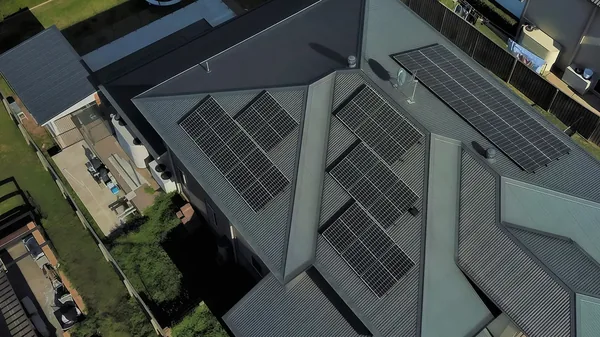
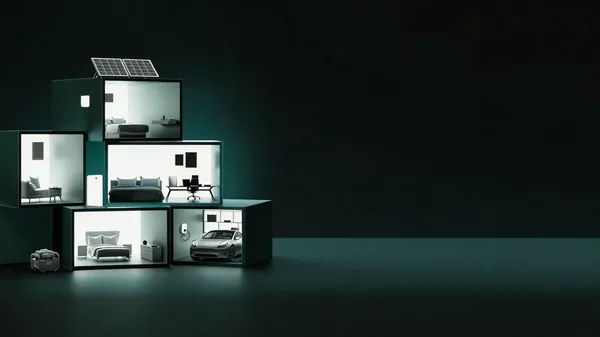
The Conduction Company's short answer: SolarZero went into liquidation on 26 November 2024, but its 20 and 25-year agreements carry on. The panels and batteries are held by Public Trust as trustee, and SZ Servicing runs the agreements, so fees, repairs and transfers still go through SZ Servicing.
This guide answers what happened to SolarZero (called Solarcity until 2018), practical questions first and the history after. Facts are as at 20 October 2026, from public records and news reports. It is general information, not legal advice from The Conduction Company, an Auckland electrician with no connection to SolarZero or SZ Servicing.
Is SolarZero still in business?
No. SolarZero Limited went into liquidation on 26 November 2024, by a resolution of its shareholders, and liquidators from Grant Thornton were appointed. The company has since been renamed Lunar Infinity Limited, according to its Companies Office record, which The Conduction Company checked on 20 October 2026. The SolarZero name carries on, though. The agreements and the equipment sit in two trusts, and SZ Servicing runs them through the SolarZero website and customer care team.
Who do I contact about my SolarZero system now?
Contact SZ Servicing, which runs SolarZero's customer care and the solarzero.co.nz website. As at 20 October 2026, its published contacts are 0800 609 647 and customercare@solarzero.co.nz, with transfers@solarzero.co.nz for house sales. The liquidators do not run the agreements, so they are not the people to call about your system. The Conduction Company is not connected to SZ Servicing and cannot see your account.
Who owns SolarZero now?
The equipment and the agreements are held by Public Trust as trustee of two trusts: the solarZero Residential No. 1 Trust and the solarZero Residential Warehouse Trust. Public Trust told Newsroom in September 2025 that it has no financial interest of its own. SZ Servicing runs the agreements for a servicing fee, and its FAQ says any money left over goes to the lenders who financed the systems.
Almost every system was already in the trusts when the liquidation began. A small group, 481 agreements and about 2,700 batteries, stayed with the companies in liquidation for a time. By May 2026 the trusts had bought SolarZero's brand and its remaining contracts and batteries from the liquidators, according to the liquidators' fourth report.
What is SZ Servicing?
SZ Servicing Limited is the company that runs SolarZero agreements day to day: billing, customer care, repairs and the batteries. It was set up on 2 December 2024 and is owned by Verofi Limited. Its FAQ says it "does not own the contracts or the solar systems and receives only a servicing fee". For The Conduction Company's clients with a SolarZero system, SZ Servicing is the first call on anything to do with the equipment.
Who is Verofi?
Verofi Limited is the company that owns SZ Servicing. The liquidators' first report says Verofi was activated as the replacement servicer of the SolarZero agreements on 26 November 2024, before the liquidation began. Verofi lists Utilities Disputes as the complaints scheme for these agreements. The practical point, in The Conduction Company's reading, is that Verofi services the agreements and does not own the equipment.
What happens to my SolarZero contract now?
It carries on. SZ Servicing's FAQ says "Your contract remains in place", and that the liquidation "does not, in itself, alter the ongoing operation of your contract". The monthly fee is fixed for the term, and SolarZero's own documents said it would not rise apart from changes in GST. Grid power is a separate charge, and that is where the price changes customers report have come from.
Agreement versions differ, so your own agreement decides your position. SZ Servicing has said customers can ask it for a copy at any time. The Conduction Company's advice is to get that copy first, and to talk to a lawyer before you act on anything below. This is general information, not legal advice.
Why has my SolarZero bill gone up?
Usually because of the grid power on top of the fee, not the fee itself. SolarZero agreements came with grid power from a partner retailer at a protected rate. SolarZero and Verofi told Newsroom in June 2025 that some contract types cap that rate at 8c a unit, while others allow a yearly review. SZ Servicing's FAQ says it has had to reassess the subsidised rates, and it has moved customers from flat rates to time-of-use pricing. It told RNZ the changes were in line with its contract terms. Customers quoted by RNZ have reported grid rates moving from 8c to 26c a unit at peak times.
Two other things push bills up. SolarZero's price protection excluded lines and network charges, and SZ Servicing says those rose by an average of 20% on 1 April 2025. And winter is when panels make the least power and homes use the most. If you think a rate change breaks your agreement, The Conduction Company suggests raising it with SZ Servicing in writing, then with Utilities Disputes (see below).
Is my SolarZero system faulty, or just small?
The Conduction Company's advice is to check your original SolarZero proposal before assuming a fault. Find two numbers on it: the system's estimated solar production a year, and your home's estimated power use a year, both in kWh. Divide the first by the second. For example, 3,000 kWh of solar against 7,500 kWh of use is 40%. That system was only ever expected to cover about 40% of the home's power, and much less in winter.
Then compare what the system actually makes, from your monitoring app or from SZ Servicing, with what the proposal said. Jordan Statham, The Conduction Company's director and registered electrical inspector, gives anyone buying a house with solar the same test: check the system "against the installation documents to see if it's actually been producing what the documentation shows that it should be producing". If it is close, the system is probably working and simply small for the home. If it falls well short over several months, ask SZ Servicing to check it.
Can I stop paying SolarZero?
The Conduction Company will not suggest it. The agreement is still in force, SZ Servicing's published policy charges late fees, and leaving an agreement early can cost thousands. Whether stopping payment would breach your agreement is a question for your lawyer. If you dispute a charge, raise it in writing with SZ Servicing and take it to Utilities Disputes. Get legal advice before you change how you pay, and do not switch the system off, alter it or remove it in the meantime.
Can I get out of or buy out my SolarZero agreement?
There are ways out, but they cost money, and the figure comes from SZ Servicing. SolarZero's 2023 terms said: "At any time you may prepay the remaining monthly payments." A house sale is the other common route (see below). Ask SZ Servicing for the exit or payout figure in writing.
These figures come from news reports, not from The Conduction Company. Payout quotes reported by Newsroom since 2025 have included about $12,500 and close to $26,000, and one customer was quoted up to $30,000 to buy a system outright. They are individual quotes, not a price list. In one case Newsroom reported in August 2026, Utilities Disputes recommended a customer could exit for $4,794 instead of the $16,000 quoted, and both sides accepted. Utilities Disputes says its decisions do not set a precedent, so that is one outcome, not a guide to yours.
Paying out is not the same as owning. SolarZero's 2022 seller guide said "solarZero retains ownership of the system". If you expect to own the equipment once you have paid, The Conduction Company's advice is to get that in writing, listing every part: panels, inverter, battery, meter and any gateway.
Where can SolarZero customers complain?
The Conduction Company points SolarZero customers to two steps. First, put the complaint to SZ Servicing in writing. If that does not resolve it, take it to Utilities Disputes (udl.co.nz), the free scheme Verofi lists for these agreements. Utilities Disputes says it can make binding decisions, and its decisions do not set a precedent for other cases. In the year to 31 March 2026 it accepted 32 deadlocked SolarZero complaints for investigation. That was 20.8% of all the complaints it accepted, from a provider with 0.5% of the market.
Newsroom reported in October 2025 that the Commerce Commission had opened a preliminary investigation after 162 complaints. As at 20 October 2026, no outcome had been published.
What should I check before buying a house with SolarZero panels?
The Conduction Company's advice to buyers is to settle the SolarZero agreement's fate with your lawyer before going unconditional. Start by asking the seller whether the system is owned or under a SolarZero agreement. If it is an agreement, get the details from SZ Servicing in writing (transfers@solarzero.co.nz): the years left, the monthly fee, the grid power rates that would apply to you, the payout figure, and what happens to the equipment.
Then decide with your lawyer whether you will take the agreement over, or whether the seller will pay it out, sell you the equipment, or have it removed, and make that a condition of your sale agreement. Ask your lawyer, too, about holding back settlement money until a payout or removal is confirmed, and who pays the monthly fee until then. Utilities Disputes' top tips for solar (October 2026) also say to get advice from your conveyancer or property lawyer when a house has a solar subscription contract. The Conduction Company would add one more step: run the faulty-or-small check above against your own household's power use, not the seller's.
Installing solar is high-risk electrical work under the Electricity (Safety) Regulations 2010. Since 1 July 2013, its details must be lodged on a WorkSafe database that anyone can search by street address, so The Conduction Company suggests buyers search the address before they sign.
Do I have to take over the SolarZero agreement?
No, not unless you agree to. A buyer is not automatically bound by the seller's SolarZero agreement. Taking it over is a transfer you sign, and it has to be approved. If you do take it over, SZ Servicing's FAQ says you take on the years left on the original agreement, at the rate locked in when the seller signed up. Read the transfer document itself before you sign it.
Whether you can require the seller to pay out or remove the system depends on your sale agreement and what was disclosed. That is a question for your lawyer, not The Conduction Company.
What does The Conduction Company look for on a SolarZero roof before settlement?
The Conduction Company runs the same checks on a SolarZero system as on any solar system, whoever installed it, and changes nothing on it. It looks at whether the system is producing what its proposal said it would, and at any fault log the monitoring shows. On the roof, it checks the cabling under and between the panels, which should not lie on the roof without an enclosure or conduit, and how the mounting rails are fixed. It also checks the condition of the inverter and the battery, and whether the solar has a certification record.
A check like this tells you whether the system is working. It tells you nothing about the agreement, which is your lawyer's job, and any repair it finds is SZ Servicing's to arrange. You can book The Conduction Company to check the system before settlement as part of a pre-purchase electrical inspection.
Can a SolarZero agreement go to the buyer when I sell?
Yes, if the buyer agrees and SZ Servicing accepts them. SolarZero's 2022 seller guide set out three options: transfer the agreement to the buyer, prepay the rest of it, or move the system to your next home, where the agreement restarts. Transfers go through transfers@solarzero.co.nz. Verofi told Newsroom in June 2025 that about 90% of customers who sell transfer the agreement successfully. RNZ reported in July 2026 that selling a house with a SolarZero agreement in place can be difficult.
The Conduction Company's advice to sellers is to ask SZ Servicing for your payout figure before you list. Tell your agent and your lawyer about the agreement early, and never list the equipment as a chattel you own. The Conduction Company's guide to selling a house with solar covers the paperwork buyers ask for.
My SolarZero battery has stopped working: who can fix it?
SZ Servicing. Its FAQ says it is responsible for repairs and replacement of the solar and battery systems, "whether it is a warranty claim, end-of-life, fire, flood or anything else (except deliberate malice)", and it says repairs come at no additional cost. The Conduction Company tests whether a SolarZero system is working, but refers every repair to SZ Servicing.
A battery that looks idle may not be faulty. SolarZero's 2023 terms said it was designed to charge from the grid when power is cheap, store spare solar, and run the house when grid power is dear, and that it could be called on for grid support. SZ Servicing says its team still optimises the batteries behind the scenes. SolarZero's older documents also mentioned a replacement battery at around year 10, so ask SZ Servicing how that applies to your agreement. Do not open or rewire the battery yourself: it is not yours, and it is electrical equipment.
If you want an independent read before you call SZ Servicing, The Conduction Company's solar and battery work includes testing whether a system is working and telling you what it finds, without changing anything on it.
Can SolarZero panels be taken off my roof?
Yes, but the equipment is held in the trusts, not owned by you, and removing it does not end your agreement, so sort the agreement out with SZ Servicing first. In the one Utilities Disputes outcome reported so far, the panels were removed once the exit sum was paid. Where SZ Servicing removes its own equipment, The Conduction Company's part is the make-good: making the wiring and switchboard safe, and certifying the electrical work. If you are re-roofing, ask SZ Servicing how it handles a re-roof before you book the roofer.
The Conduction Company's advice is to settle the agreement with SZ Servicing before any removal. The Conduction Company removes SolarZero equipment only on written instruction, and leaves all of it on the property. It photographs the equipment as it comes down, leaves it on site undamaged, and disposes of nothing, because the equipment is not the homeowner's, or The Conduction Company's, to dispose of. Sealing the old roof fixings is a job for a roofer.
The estimates below are for standard removal of a SolarZero system. The Conduction Company confirms final pricing after a property assessment.
The Conduction Company prices SolarZero removal from about $1,700 including GST. That covers making the system safe, decommissioning it and taking it down, with the equipment left on the property. It does not include roof repairs, disposal, or anything owed to SZ Servicing under the agreement. The Conduction Company's solar cost guide covers removal alongside the other costs of solar.
We quote on facts, not guesses
Before we give you a price, we carry out a proper assessment of your property and how you'll use the roof once the system is off.
That way you know exactly what you're buying and the total cost, with no surprises.
Clear expectations from the outset, start to finish.
What happened to SolarZero?
SolarZero supplied rooftop solar and batteries to about 15,500 New Zealand homes for a monthly fee, then went into liquidation in November 2024 with no further funding available. The Conduction Company drew this timeline from Companies Office records, the liquidators' reports and news reports, checked on 20 October 2026.
2008: the company is set up, and in 2009 it is renamed Solar City New Zealand Limited.
2015: Solarcity launches solarZero, a solar plan with no upfront cost.
April 2018: the company is renamed SolarZero Limited.
December 2022: a BlackRock-managed fund buys SolarZero for $110 million, according to the liquidators, and later puts in a further $147.8 million.
26 November 2024: SolarZero is put into liquidation by its shareholders' resolution, and Verofi is activated as the replacement servicer.
2 December 2024: SZ Servicing is set up.
23 December 2025: SolarZero Limited is renamed Lunar Infinity Limited.
By May 2026: the trusts buy SolarZero's brand and remaining contracts and batteries from the liquidators.
October 2026: SolarZero's liquidators have filed a claim against former directors, which has not been tested in court.
How did SolarZero's model work?
A homeowner paid a fixed monthly fee for 20 or 25 years and got a solar and battery system they did not own, plus grid power from a partner retailer at a protected rate. Newsroom reported the battery subscription at $85 a month on a 20-year contract in 2018. SolarZero sold each installed system, with its stream of monthly payments, to one of two trusts funded by lenders, and was paid upfront. It also earned money from the batteries, which it ran together as a virtual power plant (a fleet of home batteries working as one) to support the grid. Newsroom reported tests of up to 26.5 megawatts in 2024. At the end of the term, SolarZero's 2023 terms said it would remove the system at no cost, or the customer could renew.
The Conduction Company sells and installs owned solar systems, so it has an interest here, and the neutral difference is this. With a subscription, the homeowner pays for the use of the system and the service, and the provider owns the equipment and carries the repairs. With an owned system, the homeowner pays for the equipment upfront or with a loan, owns it, and carries the repairs once the warranties end. Which costs less depends on the price, the system size, the home's power use, and how long the owner stays.
Why did SolarZero fail?
The Conduction Company has no view of its own on the causes, so this is what the published record says. The liquidators' first report says the group never made a profit or reached breakeven. It also says SolarZero had underwritten parts of the trusts' income, "resulting in unsustainable regular payments" to them. In late November 2024, with no further funding available, the companies could not keep trading. A BlackRock spokesperson told RNZ at the time that the board had formed the view the business was not sustainable in the long term without significant restructuring.
NZ Green Investment Finance, the government's green investment bank, also lent to the SolarZero trusts. Its 2025 annual report records a $113.3 million impairment, or write-down, on those investments.
Was SolarZero worth it?
It depended on the home. There is no single answer. Some customers have publicly reported real savings, backup power during outages, and smooth transfers when they sold. Others report bills that barely fell, especially in winter. In the accounts The Conduction Company reviewed, the difference came down to the system's size against the home's power use, the grid rates on that agreement, and how long the household stayed. The proposal check above is the fairest test for your own home.
In short
SolarZero the company is in liquidation, but its agreements still run: Public Trust holds the equipment as trustee, and SZ Servicing handles fees, repairs and transfers. A buyer does not have to take an agreement over, and leaving one early can cost thousands, so get the figures from SZ Servicing in writing and talk to a lawyer before you sign or stop anything. The Conduction Company tests SolarZero systems and removes them on written instruction, leaves the equipment on the property, and refers repairs to SZ Servicing. Everything here reflects public records and news reports as at 20 October 2026.
Frequently asked questions
Does SolarZero still exist?
As a company, no. SolarZero Limited went into liquidation on 26 November 2024 and is now called Lunar Infinity Limited. The SolarZero name, website and agreements carry on, run by SZ Servicing for the trusts that hold them, with Public Trust as trustee.
Is Solar Zero the same as SolarZero and Solarcity?
Yes. "Solar Zero" is a common spelling of SolarZero. The company was called Solar City New Zealand Limited until it was renamed SolarZero Limited in April 2018, and Solarcity launched the solarZero subscription plan in 2015.
Who took over SolarZero's customers?
SZ Servicing, a company owned by Verofi, runs the agreements day to day for a servicing fee. The equipment and the agreements are held by Public Trust as trustee of two trusts. As at 20 October 2026, SZ Servicing's contacts are 0800 609 647 and customercare@solarzero.co.nz.
Does the SolarZero app still work?
The Conduction Company cannot check that for you. SZ Servicing runs SolarZero's customer care and manages the batteries, so if the app has stopped working, contact it on 0800 609 647 or customercare@solarzero.co.nz.
Will SolarZero customers lose their panels?
Not because of the liquidation. Installed systems are held in the trusts, and the liquidators' first report said those systems are not available to meet creditors' claims. What happens at the end of an agreement depends on its version: SolarZero's 2023 terms said it would remove the system at no cost, or the customer could renew.
Who pays for repairs on a SolarZero system now?
SZ Servicing says it is responsible for repairs and replacement of the solar and battery systems, at no additional cost under the agreement. The Conduction Company tests whether a SolarZero system is working, but refers every repair to SZ Servicing.
Can I remove SolarZero panels myself?
The Conduction Company's answer is no. Disconnecting a solar and battery system means disconnecting fittings from a power supply, which the Electricity (Safety) Regulations 2010 class as prescribed electrical work, so leave it to a licensed electrician. The equipment is not yours either, so settle the agreement with SZ Servicing first, and never dispose of it.