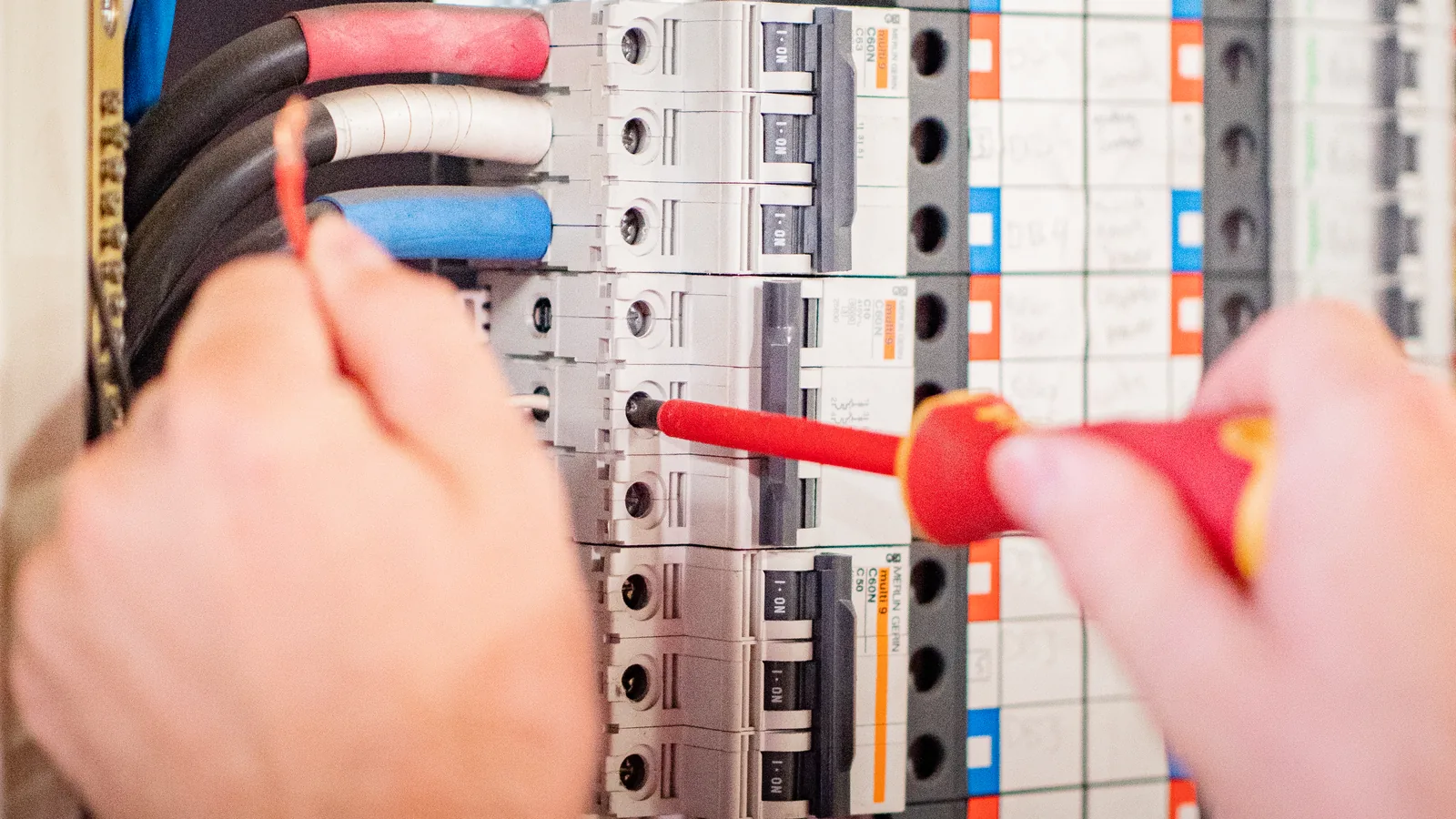
What are the changes in electrical regulation for 2026? In New Zealand, most of them trace back to one amendment to the Electricity (Safety) Regulations 2010 and the newer Wiring Rules it brought into law. Jordan Statham, director of The Conduction Company and a registered electrician and electrical inspector, explains what changed, what clients actually notice on a job, and what has not changed at all.
The main electrical regulation change for 2026 in New Zealand is a deadline. AS/NZS 3000:2018, the current Wiring Rules, has been cited in law since 13 November 2025, and work started since then can follow the 2007 edition only until the close of 12 November 2026. The Conduction Company notes that safe existing wiring does not have to be upgraded.
What are the latest electrical regulations updates?
The latest electrical regulation updates in New Zealand came in four dated steps, and The Conduction Company has checked each one against the regulations themselves.
13 November 2025. The Electricity (Safety) Amendment Regulations 2025 came into force. They update the standards the regulations cite, about 440 of them according to WorkSafe, including the Wiring Rules.
15 January 2026. When electrical work is done on a small stand-alone dwelling built without a building consent, such as some granny flats, the certificate of compliance must now go to the owner of the dwelling as well as the person who ordered the work. That is regulation 74E(2A) of the Electricity (Safety) Regulations 2010.
2 October 2026. The Electricity (Safety) Amendment Regulations 2026 brought back a Wiring Rules ban on putting a switch or circuit breaker in, or switching, a conductor used as a combined neutral and earth (a PEN conductor). Existing and in-process work is not affected, and MBIE expects little impact on households.
12 November 2026. The last day the old 2007 Wiring Rules count for work started since 13 November 2025. From 13 November 2026, new electrical work follows AS/NZS 3000:2018.
What are the latest wiring rules?
The latest wiring rules in New Zealand are AS/NZS 3000:2018, including Amendments 1, 2 and 3, and The Conduction Company now works to that edition and records it on its certificates of compliance. It replaced AS/NZS 3000:2007, which New Zealand law had cited since 1 April 2010.
The 2018 edition only became law here in November 2025. Queensland made it mandatory from 1 January 2019, about seven years earlier. Jordan puts the gap down to how this country adopts standards: New Zealand law cites a fixed edition, so nothing changes until the regulations do. "The way that we do it is much slower than it is in other countries, especially compared to Australia. It's just a quirk of our legislative system," he says. "Really glad that it has finally been updated. It does incorporate a bunch of additional safety measures that we are all for."
Which standards do you cite now that you did not two years ago?
The Conduction Company now cites the newer editions below where a job calls for them. They are the main ones WorkSafe lists from the November 2025 amendment.
AS/NZS 3000:2018, the Wiring Rules. The main standard for electrical installations, now with Amendments 1, 2 and 3.
AS/NZS 3001.1:2022 and AS/NZS 3001.2:2022. The supply to, and the wiring inside, connectable installations such as caravans and other recreational vehicles.
AS/NZS 3003:2018. Installations used with electrical medical devices, including home care.
AS/NZS 3019:2022. Reconnecting an installation that has been disconnected for more than 6 months.
AS/NZS 4777.1:2024. Installing inverters for generation connected to the national grid, such as grid-tied solar.
AS/NZS 5033:2021. Solar (photovoltaic) arrays.
AS/NZS 60079.14:2022. Electrical work in hazardous areas, where flammable gas or dust can be present.
What has changed in day-to-day electrical work because of the rules?
Day to day, very little has changed in how The Conduction Company does a job, Jordan says. What has changed is how much checking goes into it.
After years on the 2007 edition, most electricians knew the rules off by heart. Jordan's estimate is that 95% of the rules are the same, or have only been tweaked to make them safer. The new ones are learned over time, so there is a lot more checking of the standards while the team is on site.
Having a registered electrical inspector in-house helps. "We're constantly looking at the new regulations and what's coming out in the amendments that get pushed in," Jordan says. The result is sometimes a minor tweak to how a job is done, and more time spent confirming it is fully compliant.
He welcomes the changes. "Any regulations changes that get made, for the most part, they only ever increase safety, so it's always a good thing when they make regulations changes."
What does a client notice on a job now that is new?
Most clients notice nothing new, according to The Conduction Company, because the changes sit in the protection behind the switch. "What they are gonna see is the electrical fitting turning on and off when they flick a switch, which is what they've always seen," Jordan says. "It's more of the hidden things that are changing rather than what the client sees."
Arc fault detection devices (AFDDs) are one of those hidden things, and they are going into installations a bit more often. An AFDD switches a circuit off when it detects an arc fault, to lower the risk of an electrical fire. In New Zealand, AS/NZS 3000:2018 clause 2.9.7 requires one on circuits of 20 A or less supplying points in places such as barns, woodworking shops and stores of combustible materials, places holding irreplaceable items, historic buildings built largely of flammable materials, and socket-outlets in school dormitories. Elsewhere the standard only says AFDDs should be considered when altering circuits where existing wiring may significantly deteriorate.
Clients who renovate often are the ones most likely to spot a difference. They may have seen an electrician do something slightly differently in the past and ask about it. When The Conduction Company assesses a job, including a switchboard upgrade , it quotes the work to the latest regulations. Otherwise, Jordan says, you really have to be in the industry to notice.
Have the requirements for RCDs and RCBOs moved?
Yes, The Conduction Company says, and Jordan sees more fittings on site that now need RCD or RCBO protection, "which we think is a good thing". An RCD is a safety switch that cuts the power when it detects current leaking to earth, for example through a person. An RCBO is an RCD and a circuit breaker in one device.
The growth is outside the home. Under AS/NZS 3000:2018, 30 mA RCDs now protect socket-outlets of up to 30 A in schools up to Year 13 and tertiary teaching areas, in outdoor locations, in places with easy or unsupervised public access, in amusement arcades, and on supplies to children's rides and vending machines. In a home, the rule is the same as under the 2007 edition: 30 mA RCD protection, fitted at the switchboard, covers circuits supplying power points, lighting points, and directly connected hand-held equipment. Smoke alarms, extractor fans and ceiling fans count as lighting points.
The Electricity (Safety) Regulations 2010 now add three New Zealand changes that apply in homes too. Every RCD has to suit the loads it protects, with DC fault currents in mind. Type A, Type F and Type B RCDs are all allowed. And testing an RCD has to cover its trip time and, where it applies, how it responds to DC leakage, rather than just pressing its test button. The Conduction Company explains what an RCD does and why it trips in a separate guide.
Has anything changed in the rules for EV chargers or solar?
Yes, both have changed, and solar has had a significant overhaul, says Jordan Statham of The Conduction Company. "There are a bunch more regulations now than there were in the past, which is a good thing."
The November 2025 amendment moved solar arrays from AS/NZS 5033:2012 to AS/NZS 5033:2021, and grid-connected inverter installations from AS 4777.1:2005 to AS/NZS 4777.1:2024. Inverters themselves must now meet AS/NZS 4777.2:2020, and home battery systems fall under AS/NZS 5139 through the Wiring Rules. These standards are written by a joint Australian and New Zealand committee, and the Government's own papers say the update brings New Zealand into line with Australia's current practice.
EV charging has had a few changes too. The Wiring Rules now include a New Zealand-only clause on supplies for electric vehicles, clause 7.9. A hard-wired charger needs its own circuit protected by a 30 mA Type B RCD, or by a 30 mA Type A RCD paired with a device that detects DC leakage of 6 mA or more. WorkSafe had recommended Type B RCDs for EV charging since 2019, and it added an addendum to its EV charging guidelines in January 2026. The Wiring Rules also say every new home with a garage built into the house must have a facility for EV charging. The Conduction Company covers what that means for your home on its EV charger installation page.
"They're all to do with increasing the safety of particular installations, and so we welcome them," Jordan says.
What paperwork is different now from a couple of years ago?
The certificates The Conduction Company issues look largely the same, Jordan says. What has changed is the standards listed on them.
Regulation 67 of the Electricity (Safety) Regulations 2010 sets out what a certificate of compliance must record, and it has not been amended since 2013. One thing it records is which standards the work complied with, and that is the part that has changed: certificates now name AS/NZS 3000:2018. The EWRB's guidance asks electricians to make clear which version of a standard was used for each stage of a job. Where a job started on the old edition is unfinished at the close of 12 November 2026, WorkSafe says to issue a certificate of compliance for the work done to that date, and finish the rest to the new edition. The Conduction Company's guide to electrical certification explains each certificate type.
What has the EWRB changed recently that a client might notice?
Not much that a client would notice, says Jordan Statham of The Conduction Company, unless they work in the electrical field. The main change at the Electrical Workers Registration Board (EWRB) is its new endorsed registration classes for high-risk areas of work, and grid-connected solar is one of them. To do that work, an electrician now needs both their electrician's registration and the Mains Parallel Generation endorsement, from their first licence renewal on or after 1 September 2026.
The endorsement means proving the right experience and knowledge first, which Jordan sees as the point. "You have to have proven that you know exactly what you are doing," he says. Before it, any registered electrician could install grid-tied solar without solar-specific training, although an independent electrical inspector has had to inspect every solar installation since 2013. Off-grid solar that never runs alongside the grid does not need the endorsement. Jordan holds the EWRB inspector endorsement for mains parallel generation systems. You can check any electrician's registration on the EWRB's public register, as The Conduction Company explains.
Has WorkSafe changed anything for electricians this year?
Yes. Beyond the new Wiring Rules, The Conduction Company found three changes in WorkSafe's own notices since late 2025.
EV charging guidance. In January 2026, WorkSafe added an addendum to its EV charging safety guidelines. For a home, it says the charger's circuit must be protected by a Type B RCD and run from an MEN switchboard, the main switchboard where the neutral and earth are linked.
Inspector records. In March 2026, WorkSafe changed the High-Risk Database where inspectors log solar, mains and other high-risk work, adding new questions to each entry after finding about 18% of entries over three years had been filed late.
Products. From 13 November 2025, new product standards apply to electrical goods such as EV charging equipment and e-bikes, and the allowed range for standard low voltage widened to 230 V plus or minus 10%, which WorkSafe links to growing solar and EV charging.
What change is coming that you are watching?
Nothing in particular now, Jordan says. The big change The Conduction Company watched for years was the move from the 2007 Wiring Rules to the 2018 edition, and that has now happened. The date still to come is the close of 12 November 2026, when the 2007 edition stops counting for new work.
What has not changed that people think has?
New rules do not mean old wiring has to be upgraded, The Conduction Company explains. Under the regulations, an existing installation can keep being used and maintained as long as it is not electrically unsafe, and repairs can restore it to its original condition. Only the parts you change have to meet the new edition.
The rules for what goes on a certificate of compliance have not changed either. And there is no Amendment 4 to AS/NZS 3000: the cited text is the 2018 edition with Amendments 1, 2 and 3.
Have testing intervals for rentals or workplaces changed?
The intervals The Conduction Company recommends for test and tag, and for checking a rental property, are the same as before, Jordan says.
For workplaces, WorkSafe says test and tag is a useful check but not mandatory: what the law requires is that equipment is electrically safe and kept that way. Regulation 26 of the Electricity (Safety) Regulations 2010 treats an appliance with a current tag issued under AS/NZS 3760 as electrically safe. What has moved is the standard itself. Since November 2025 the regulations cite the 2022 edition of AS/NZS 3760, a complete revision of the 2010 one. The Conduction Company's guide to test and tag for workplaces covers how often to test.
For rentals, no law sets a testing interval for a home's wiring. Tenancy Services says landlords must keep the electrical wiring safe and in working order. Regulation 75 lists the installations that must be periodically assessed, such as caravan parks and marinas, and homes are not on it.
In short
The electrical regulation changes for 2026 in New Zealand come down to one date. AS/NZS 3000:2018 replaced the 2007 Wiring Rules in November 2025, and the old edition stops counting for new work after 12 November 2026. Based on The Conduction Company's own work on Auckland jobs, clients notice little, because most of the change sits in hidden protection such as RCDs and AFDDs, while solar has had the biggest overhaul. Safe existing wiring does not need upgrading because of the change.
If you are planning work that will run past 12 November 2026, The Conduction Company is happy to help you work out which rules apply. Talk to the team about electrical inspection and certification across Auckland .
Frequently asked questions
What are the electrical wiring regulations in New Zealand?
In New Zealand, electrical installations are governed by the Electricity (Safety) Regulations 2010, which require them to comply with AS/NZS 3000, the Wiring Rules. The cited edition is now AS/NZS 3000:2018, including Amendments 1, 2 and 3. The Conduction Company works to that edition and records it on its certificates of compliance.
When do the new regulations commence?
The amended Electricity (Safety) Regulations came into force on 13 November 2025. Work started since then can follow the old 2007 Wiring Rules until the close of 12 November 2026, and from 13 November 2026 new work follows AS/NZS 3000:2018. The Conduction Company quotes new work to the latest regulations.
Do I have to upgrade my wiring because of the new rules?
No, says The Conduction Company. Under the Electricity (Safety) Regulations 2010, an existing installation can keep being used and maintained as long as it is not electrically unsafe. Only the parts you add, alter or relocate have to meet the new edition.