SmartVent installation in Auckland with The Conduction Company, a SmartVent Accredited Installer, is usually done in one visit. The team plans the ducting in the roof space, hangs the fan, cuts in the outlets, and fits a power point. Then it tests and balances the system, and walks you through it.
The Conduction Company explains the SmartVent models and add-ons in a separate guide. This one covers the installation itself, step by step, in the words of Jordan Statham, director of The Conduction Company and a registered electrician and electrical inspector.
What happens on a SmartVent installation day, start to finish?
The Conduction Company's technicians start by introducing themselves and reading through the full job brief, so they know exactly what was quoted. Then they walk through your home with you, explain the plan, and check that your expectations match the quote. If you want to add or change something, they price it there and then, before any work starts.
Next, they stop for about five minutes to check the job is safe, and get the right protective gear and drop sheets in place. Then the tools come in and the drop sheets go down.
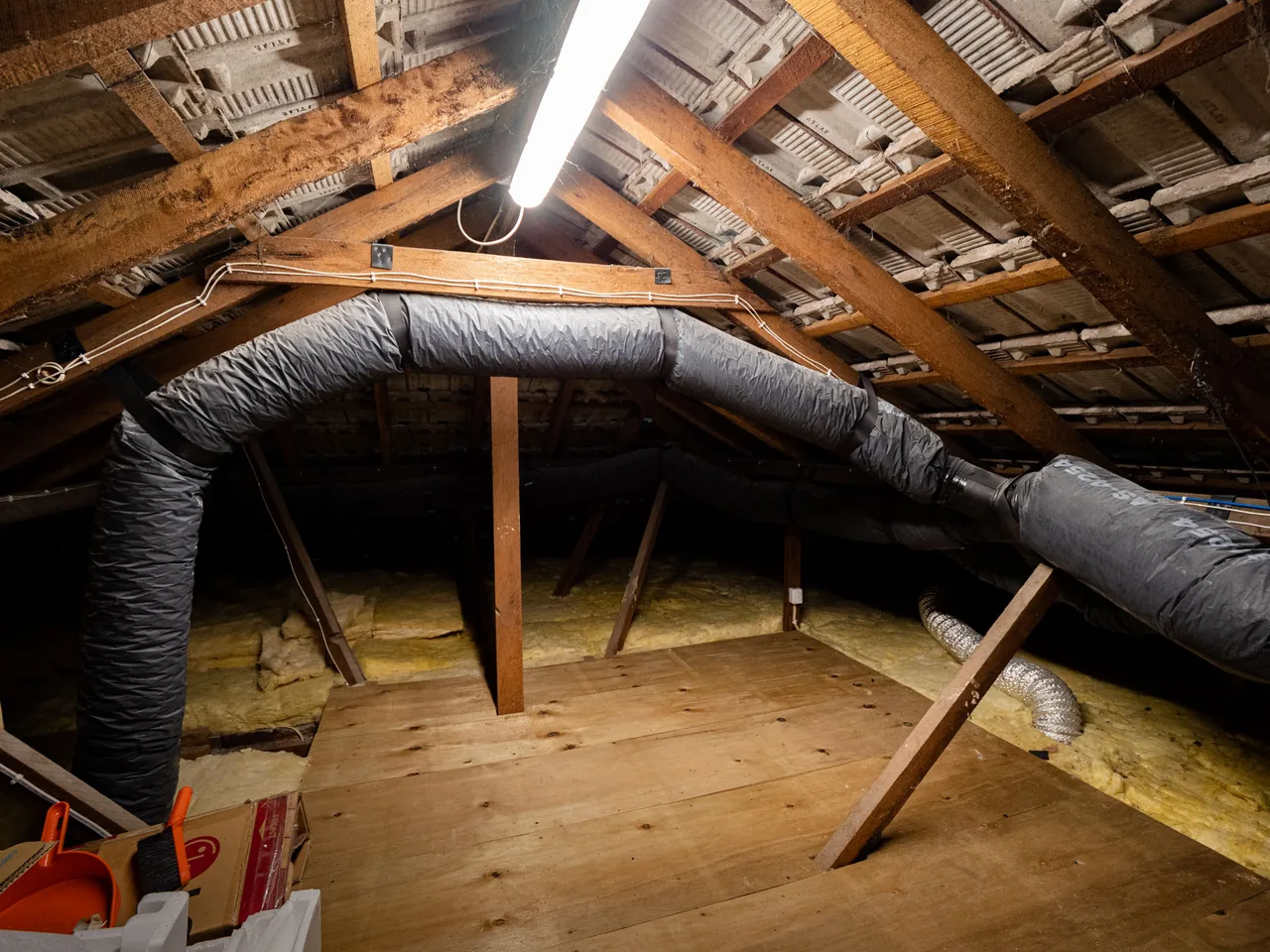
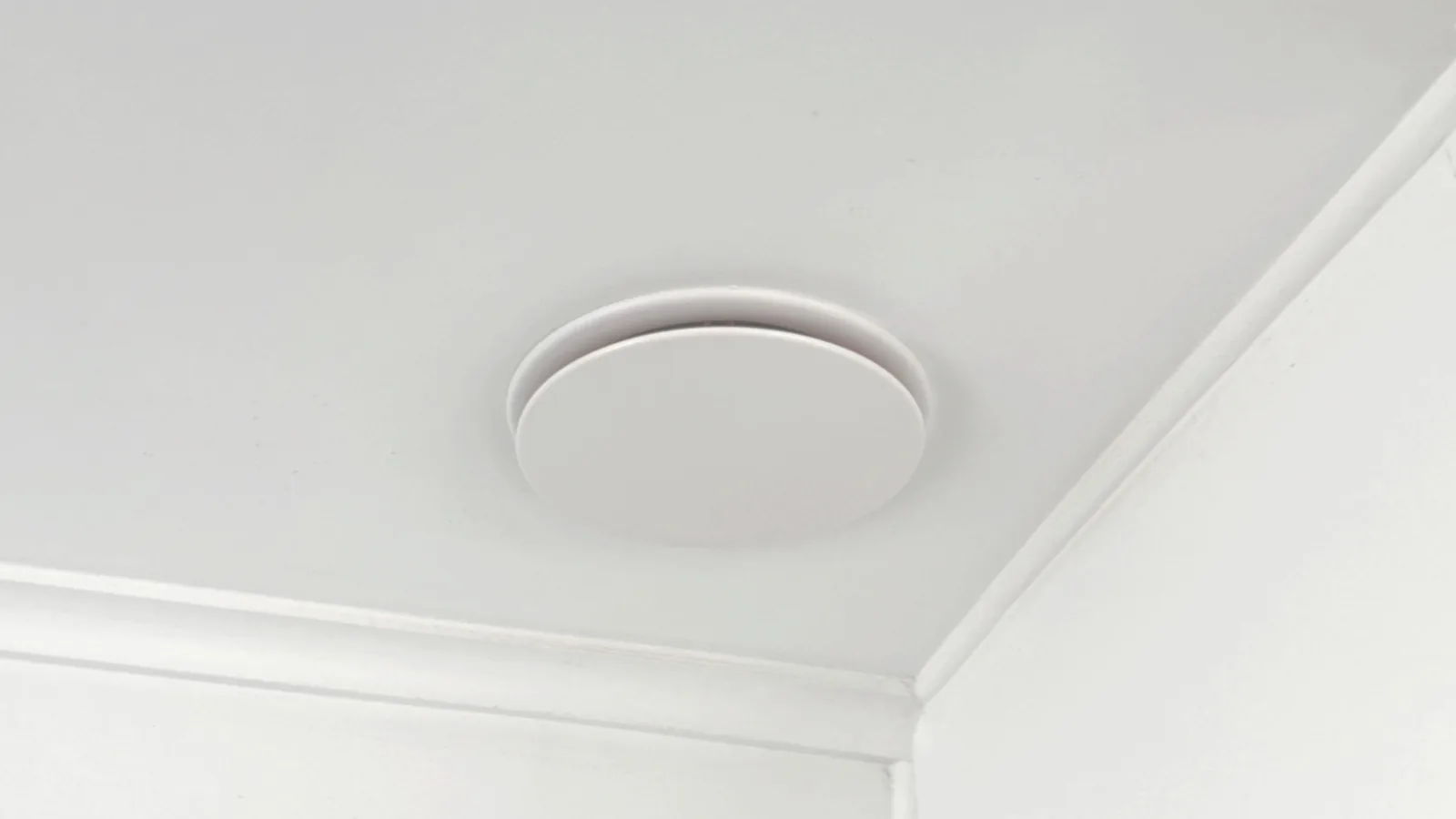
The roof-space work comes first. The team takes the ducting and materials up into the ceiling space and works out the best duct layout. It cuts the outlets, also called diffusers, into the ceiling of each room, runs the ducting to them, and connects everything to the fan and filter.
Then the wiring. The team runs cable from the power supply to the system's connection point, and to the main controller and any sensors.
Last come testing and commissioning. The team sets the system up for your home and balances it, so each room gets enough airflow. Meanwhile the rest of the team has a big tidy up, vacuums, and lifts the drop sheets, so your home is left as they found it.
Then a technician walks you through the system and answers your questions. With a SmartVent there is very little to learn. "You essentially don't really touch it," says Jordan Statham of The Conduction Company. Afterwards the office prepares the invoice and the certification paperwork, and calls you for feedback, to check you are happy and ask what could have been better.
Where in the roof space does the SmartVent unit go, and why?
The Conduction Company usually puts the SmartVent fan above a bathroom or the laundry, away from the bedrooms. A fan above a bedroom is the one you would hear most, at night, when the house is quietest.
The fan hangs from a roof truss on a suspension mount, which soaks up most of its noise and vibration. The ducting branches out from the fan to each room. The team keeps every run as short as it can, with no loops, because shorter ducting moves more air. The final spot comes from a proper look at your roof space, not a fixed rule.
How do you decide where the outlets go in each room?
The Conduction Company places each outlet out from the middle of the ceiling, towards the far corner of the room and away from the door. It follows a standard placement method, part of what it learnt as an accredited installer.
The reason is the path the air takes. A little of the air the system brings in leaves through the window joinery, but most of it flows out through the doorway into the hallway. With the outlet on the far side, the fresh air crosses the whole room on its way to the door, so there are no dead spots.
What does a roof space need before a SmartVent can go in?
Two things, says The Conduction Company: room to work, and dry air.
First, clear it out. A few stored items can stay, and the team works around them. A roof space full of camping gear, boxes, and Christmas trees has to be emptied first. The Conduction Company can do that on the day, but it adds to the price, so most clients clear it themselves the weekend before.
Second, the roof space has to be dry, and The Conduction Company checks this at the first site assessment. Jordan says a damp roof space is actually more common in modern homes, where the roof space does not have enough vents to breathe. Condensation forms on the underside of the roofing iron and drips onto the insulation.
A SmartVent draws its air from the roof space and pushes it into your home. In a damp roof space it would push moist air inside, the opposite of what it is there to do. So The Conduction Company sorts out the roof space problem before the system goes in.
What is included in a standard SmartVent installation from you?
Everything, start to finish. The Conduction Company supplies every part of the system, including the electrical cable and connections, installs it, and tests and commissions it, all on the day.
We quote on facts, not guesses
Before we give you a price, we carry out a proper assessment of your property and how you'll use a SmartVent system. That way you know exactly what you're buying and the total cost, with no surprises. Clear expectations from the outset, start to finish.
The estimates below are for standard installation of a SmartVent system.
The Conduction Company confirms final pricing after a property assessment.
The Conduction Company's SmartVent Lite+ price starts from $3,199.90 installed, including GST. That is for a standard three-bedroom home, with one outlet in each bedroom and one in the lounge. The Conduction Company's guide to home ventilation system costs in NZ covers other homes and systems.
The Conduction Company fits SmartVent as part of its home ventilation installation across Auckland.
What makes a tricky SmartVent install hard?
Multi-level townhouses are the hardest SmartVent installs The Conduction Company does. Single-level homes with a big roof space are the easiest.
In a townhouse the ducting has to run between floors. The team usually takes it down through a cupboard, from the upper ceiling space into the floor. Knowing exactly where to cut through the floor, so the duct comes out in the right spot in the ceiling below, takes care. The Conduction Company has done it many times, but it adds a lot of labour to the quote.
These homes also tend to have small, tight ceiling spaces, or barely any at all. The upper ceiling space gets very hot, because heat rises from the floors below, so the team tackles it first thing in the morning while it is cooler.
The easy ones are single-level homes with a large floor plan and a roomy ceiling space, especially one you can stand up in. That is better for airflow, and for the people working in it.
Which Auckland house types do you install SmartVent in most?
Older, single-level homes with a large ceiling space, says The Conduction Company. Because of how they were built, these homes tend to have the most moisture problems, and they get the most out of a positive pressure system.
The change is biggest in older homes with timber window joinery. "You can go from having windows that require window vacuuming, where you've got pooling condensation on the timber itself every morning, to having completely dry windows in the middle of winter," says Jordan Statham, director of The Conduction Company.
The Conduction Company also installs SmartVent in modern and multi-storey homes: anything with a ceiling space can take a positive pressure system. Homes with no ceiling space, such as some townhouses and apartments, need a different kind of system, and The Conduction Company fits those too. If you are still choosing, The Conduction Company compares HRV, DVS, and SmartVent to find the best home ventilation system for your home.
What does being a SmartVent accredited installer mean in practice?
It means The Conduction Company has done SmartVent's formal training and knows the systems inside out, says Jordan.
That knowledge shows in the details: where to put the fan, how to keep the duct runs short, how each model should run, the differences between the models and what can go wrong on each, and how to find a fault when one pops up.
"Anyone can whack a system in," says Jordan Statham of The Conduction Company. "But whether or not it's gonna perform well and long-term is about how much knowledge you have about these systems." Experience installing them across Auckland homes counts just as much, he says.
Does a SmartVent need its own power point or circuit in the roof?
It needs its own power point, but not always its own circuit. The Conduction Company fits a dedicated socket outlet for every SmartVent it installs.
Sometimes that socket gets a dedicated circuit, run straight from the switchboard. Other times it is looped from a nearby power circuit.
The wiring is the regulated part of the job. Under Schedule 1 of the Electricity (Safety) Regulations 2010, installing the new socket and its cable is prescribed electrical work, while plugging the fan into a socket is not. After prescribed electrical work, regulation 74A requires the person who did it to issue an electrical safety certificate, and The Conduction Company issues one for the wiring it installs.
Can a homeowner fit a DIY ventilation kit themselves, and should they?
They can, but The Conduction Company does not recommend it.
A system that works well takes real knowledge of the system you are fitting. Jordan has seen DIY systems perform so poorly they might as well not have been installed, which makes them a waste of money, and The Conduction Company has had to fix a few. If you want to give it a go anyway, he says, do a lot of research on best practice first.
The wiring is a separate question. A kit that plugs into a socket already there needs no new wiring. Under section 79 of the Electricity Act 1992, a homeowner may do some wiring work in their own home, within limits set by regulation, with none of it connected to power while they work. A new power point for a kit means extending a circuit, and regulation 57 of the Electricity (Safety) Regulations 2010 says that work must be tested and certified by a person authorised to inspect mains work before it is connected to power.
As a hard rule, The Conduction Company does not test, certify or connect a homeowner's wiring. It may help only where finished work has left a client stuck, and that takes a thorough inspection and often rework.
What should a client do to get ready before install day?
Not much, says The Conduction Company. Clear the way in, and the team does the rest.
If the ceiling access is through a cupboard, empty that cupboard. The team can do it, but would rather not go through your things. If you store things in the roof space, clear those too, or The Conduction Company can do it for an extra charge.
The work makes some noise, especially when the team cuts the outlet holes in the ceiling. If you usually work from home, it may be a good day to go into the office, though most clients who stay home find it only a little disruptive. You do not have to be home at all. If you leave access, the team can work on its own and lock up after itself, or call you back at the end to see the work.
The Conduction Company prefers the power off for the whole installation, because it is safer for its technicians working in the ceiling space. If you work from home and need power during the install, the team can work around that. The power does need to be off at least briefly while the final connection is made at the switchboard.
How do you set the system up and hand it over at the end?
The Conduction Company works through its full SmartVent commissioning checklist, then shows you how the system works.
The team checks the pressure and tests the airflow, to make sure the system runs the way it should. It also runs the full suite of electrical tests. AS/NZS 3000, the wiring rules, says new wiring must be inspected and tested after it is finished and before it is put into service.
Then comes the walkthrough: how the system was installed, what it does, and what you can see on the screen on the wall. The screen is mainly there so you can see what the system is doing. The system runs itself, set up for Auckland conditions once testing is done, so there is very little for you to do.
How long after install do clients usually notice less condensation?
Usually in the first day or two, says The Conduction Company. Condensation on the windows, the thing most clients care about, drops almost straight away.
The rest of the home takes longer. It dries out over about a couple of weeks, as the drier air draws moisture out of fabrics, couches, and mattresses. That is what Jordan sees in the vast majority of homes. A roof space with its own moisture problem has to be sorted first, as covered above.
In short
A SmartVent installation is usually a one-visit job: plan the ducting in the roof space, fit the fan and outlets, wire a dedicated power point, then test, balance, and hand over. Based on Jordan Statham's account of its own Auckland installs, The Conduction Company checks the roof space is clear and dry first, keeps duct runs short, and commissions every system before the walkthrough. Older single-level homes see the biggest change, and most clients notice less window condensation in the first day or two. The new socket and cable are prescribed electrical work, so they come with an electrical safety certificate.
Thinking about a SmartVent? The Conduction Company will check your roof space first and tell you straight what your home needs. Give us a bell on (09) 390 0525. Happy to help.
Frequently asked questions
What does a SmartVent Positive 3 whole-home ventilation system do?
A SmartVent Positive 3 pulls warm, dry air from the roof space and pushes it into the home. The Conduction Company describes it as the step up from the Lite+: its extra sensors judge the fan speed more accurately, and its acoustic insulated ducting makes the fan barely noticeable.
What is the best ventilation system for a home in New Zealand?
It depends on the home, says The Conduction Company. For a typical damp Auckland home with a ceiling space, a positive pressure system is usually enough. For fresh filtered air all year and better retained warmth, a balanced heat recovery system is the stronger long-term choice. A home with no ceiling space needs a through-wall unit.
How long does a SmartVent installation take?
A standard positive pressure install by The Conduction Company takes about four to six hours. Larger systems can take a full day, and most are done in one visit.
Do I need to be home for a SmartVent installation?
No. If you leave access, The Conduction Company's team can work on its own and lock up after itself, or call you back at the end to see the work. If you do stay home, most clients find it only a little disruptive.
Can a SmartVent go in a home with no ceiling space?
A SmartVent positive pressure system needs a ceiling space to draw air from. Where there is none, as in some townhouses and apartments, The Conduction Company fits a through-wall unit instead.